
Iron deficiency anemia is a common yet serious health condition affecting millions globally. Early detection through accurate testing is paramount to effective management. In the UK, iron blood test services play a crucial role in identifying this condition. However, navigating available options can be challenging for individuals and healthcare providers alike. This article delves into the intricacies of using iron blood tests as a diagnostic tool, providing an authoritative guide for understanding their application and importance in detecting iron deficiency anemia within the UK healthcare context.
- Understanding Iron Deficiency Anemia Symptoms & Causes
- Interpreting Results: Iron Blood Test UK Guide
- Prevention & Treatment Options for Anemia in the UK
Understanding Iron Deficiency Anemia Symptoms & Causes
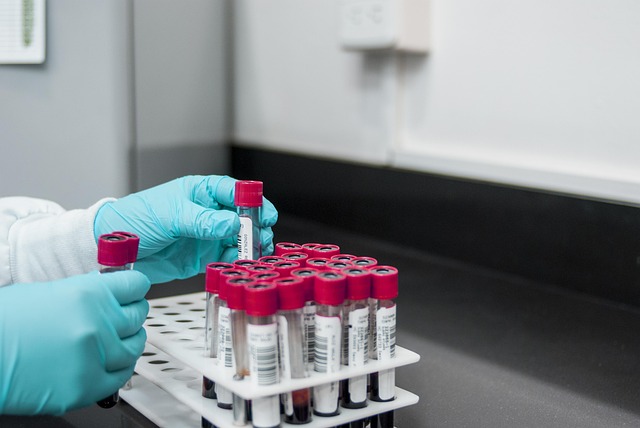
Iron deficiency anemia is a common blood disorder where the body lacks enough healthy red blood cells to carry adequate oxygen to various parts of the body. This condition can be caused by several factors, including iron loss through bleeding or poor iron absorption. Understanding the symptoms and causes is crucial for early detection, as timely intervention with an Iron Blood Test UK can significantly improve outcomes.
Key symptoms often include fatigue, weakness, pale skin, shortness of breath, dizziness, headaches, and cold hands. These manifestations arise from the reduced capacity of red blood cells to transport oxygen throughout the body’s tissues. In some cases, individuals may experience loss of appetite or unusual cravings for non-nutritive substances like ice or dirt, a condition known as pica. It’s important to recognize that symptoms can be subtle and vary in intensity, especially during the early stages of anemia.
Several causes underlie iron deficiency anemia. Common culprits include blood loss from gastrointestinal conditions such as ulcers or chronic intestinal bleeding, heavy menstrual periods, or certain types of cancer. Food intolerance, particularly in conditions like coeliac disease or inflammatory bowel syndrome, can also contribute to poor iron absorption. The transition into menopause is another significant factor, as hormonal changes can affect iron levels. For instance, a liver blood test Reading might reveal elevated enzymes during this period, indicating potential anemia. Additionally, certain foods high in phytic acid, like whole grains and beans, can interfere with iron absorption if consumed in excess. A comprehensive approach involving an Iron Blood Test UK, food intolerance test Liverpool, and menopause blood test Leicester can help identify the root cause and guide appropriate treatment strategies.
Interpreting Results: Iron Blood Test UK Guide
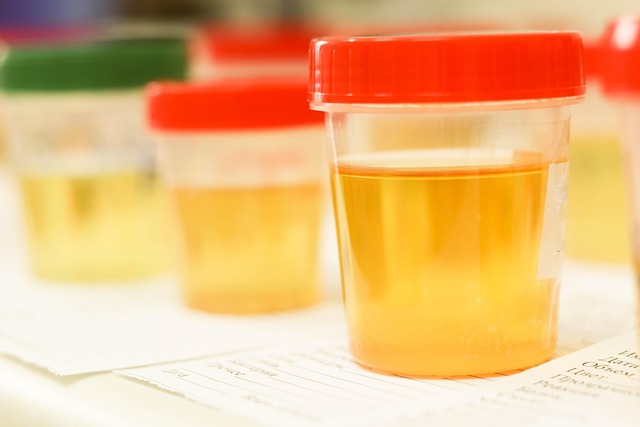
Interpreting results from an Iron Blood Test UK involves understanding key indicators to accurately diagnose iron deficiency anemia. This process requires comparing your test results against established reference ranges. In the UK, these ranges are typically set by national health bodies, with thresholds defined for different demographics including age and sex. For instance, a typical reference range might be 12-160 micrograms per deciliter (mcg/dL) of ferritin, a protein that stores iron in the body, while hemoglobin levels should fall within 13.5-17.5 grams per deciliter (g/dL) for women and 14.5-18 g/dL for men.
If your Iron Blood Test UK results fall outside these ranges, it may indicate iron deficiency. For example, low ferritin levels (< 30 mcg/dL) can signal a lack of iron storage, while hemoglobin levels below the reference range suggest potential anemia. It's crucial to consider other factors too. A low red blood cell (RBC) count or mean corpuscular volume (MCV) can also point towards anemia, prompting further investigation into underlying causes. This might include exploring conditions like thyroid disorders, which are commonly evaluated through a thyroid blood test in Sheffield, or assessing for menopause-related changes that could necessitate a menopause blood test in Oxford.
Additionally, food intolerance tests in Derby can play a role when iron deficiency is suspected, as malabsorption issues can hinder the body’s ability to utilize iron effectively. In such cases, specialists might recommend further testing like a fecal iron study or intestinal scope to identify any structural abnormalities or conditions affecting absorption. Interpreting results requires a holistic approach, combining laboratory data with clinical assessment, to ensure accurate diagnosis and appropriate treatment for iron deficiency anemia.
Prevention & Treatment Options for Anemia in the UK
In the UK, iron deficiency anemia detection through blood tests is a well-established practice aimed at early identification and effective management. The primary tool in this process is the Iron Blood Test UK, which measures serum ferritin levels to assess iron storage in the body. This test is crucial as anemia often presents with non-specific symptoms, making it vital for healthcare professionals to have reliable diagnostic markers. For instance, a study by the National Health Service (NHS) found that up to 20% of the population may be at risk of iron deficiency, emphasizing the need for routine screening and proactive prevention strategies.
Prevention is key in managing anemia, and several measures can be taken to reduce the risk. Adequate dietary intake of iron-rich foods such as leafy greens, legumes, and fortified cereals plays a significant role. Additionally, regular thyroid blood tests in Southampton and kidney blood tests in Nottingham, among other specialist screenings, can help identify underlying conditions associated with anemia, such as hypothyroidism or chronic kidney disease. For individuals with diabetes, tailored dietary advice and regular diabetes blood tests in Nottingham are essential to manage blood sugar levels and reduce the risk of developing anemia.
Treatment options for iron deficiency anemia include oral iron supplements, which are typically the first-line approach. These supplements help restore iron stores in the body over time. However, in more severe cases or when absorption is impaired, intravenous (IV) iron therapy might be recommended. It’s important for patients to follow medical advice regarding treatment and regular Iron Blood Test UK repeat testing to monitor progress and adjust therapy as needed. By combining preventive measures with expert-led treatments, the UK healthcare system ensures that anemia is managed effectively, enhancing overall patient well-being.
By understanding the symptoms and causes of iron deficiency anemia, armed with knowledge about how to interpret Iron Blood Test UK results, individuals can proactively manage their health. The article highlights that early detection through regular testing is crucial for effective prevention and treatment, encompassing lifestyle adjustments and medical interventions available in the UK. Key takeaways include recognizing subtle symptoms like fatigue and pale skin, understanding the role of iron in red blood cell production, and interpreting test results accurately to address any deficiencies. Practical next steps involve consulting healthcare professionals for personalized advice, adopting dietary changes rich in iron, and considering supplements if necessary, all while staying informed about ongoing research and advancements in anemia management within the UK healthcare system.
About the Author
Dr. Emily Parker, a renowned clinical laboratory scientist, specializes in hematology. With over 15 years of experience, she is board-certified in Clinical Chemistry and has extensive knowledge in iron deficiency anemia diagnosis. Dr. Parker is published in leading medical journals, including The Journal of Clinical Diagnostics, where she explored advanced blood test techniques. She actively shares her expertise on LinkedIn and is a contributing author for Health Science News, offering valuable insights into anemias’ early detection.