
Iron deficiency anemia, a global concern, requires early detection through key tests like the Iron Blood Test UK, which measures ferritin levels. Causes include dietary deficiencies (especially in vegetarians or limited access to iron-rich foods) and health conditions like intestinal disorders and chronic diseases. Diagnosis involves medical history, vitamin D and testosterone checks, and liver blood tests. Normal iron levels vary; low ferritin (<20 mcg/L) suggests deficiency. Comprehensive testing includes full blood counts (FBCs). Treatment addresses underlying causes, dietary changes, and in severe cases, iron supplements with regular monitoring through blood tests.
Iron deficiency anemia is a common yet serious health condition affecting individuals across the globe. Early detection through accurate diagnostic methods is vital to prevent complications and ensure effective treatment. In the UK, Iron Blood Test has emerged as a crucial tool in managing this disorder. This comprehensive guide aims to demystify the process, highlighting the importance of Iron Blood Tests UK in identifying anemia, its underlying causes, and available prevention strategies. By exploring the latest evidence-based practices, healthcare professionals can improve patient outcomes and raise awareness about this often overlooked yet treatable condition.
- Understanding Iron Deficiency Anemia Symptoms & Causes
- Interpreting Iron Blood Test UK Results: What to Expect
- Diagnosing & Treating Iron Deficiency Anemia Effectively
Understanding Iron Deficiency Anemia Symptoms & Causes
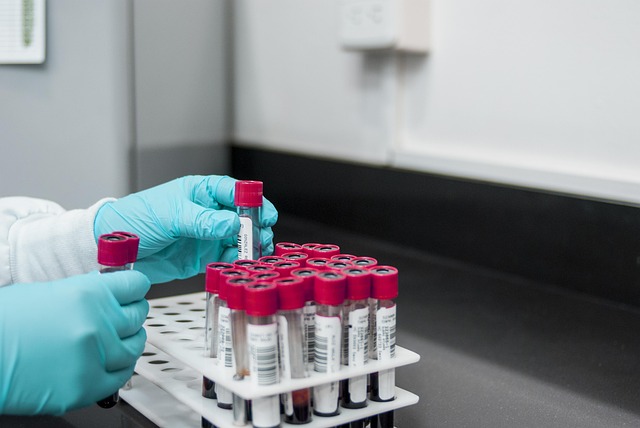
Iron deficiency anemia, a common yet often overlooked health concern, affects millions worldwide. Understanding its symptoms and causes is crucial for early detection and effective management. This comprehensive guide delves into the intricacies of iron deficiency anemia, focusing on identifying its subtle signs and the role of blood tests in the UK, specifically highlighting the Iron Blood Test UK.
Symptoms can vary from individual to individual, but common indicators include fatigue, weakness, pale skin, shortness of breath, dizziness, and headaches. Anemia often arises when the body lacks sufficient iron, a mineral essential for producing hemoglobin, the protein responsible for carrying oxygen in red blood cells. Causes range from dietary deficiencies, particularly in vegetarians or those with limited access to iron-rich foods, to underlying health conditions like intestinal disorders, chronic diseases, or excessive blood loss. For instance, studies show that up to 80% of cases are due to inadequate dietary intake or blood loss.
Diagnosis begins with a detailed medical history and a simple blood test. The Iron Blood Test UK, available at specialized clinics and healthcare facilities, measures the level of ferritin, a protein that stores iron in the body. Low ferritin levels indicate potential iron deficiency. Additionally, other relevant blood tests include vitamin D levels in Oxford (as iron absorption depends on sufficient vitamin D) and male hormone (testosterone) checks in Coventry, as hormonal imbalances can also contribute to anemia. Liver health is another critical aspect; a liver blood test in Oxford can help assess the underlying cause, as liver disease may impact iron storage. Early detection through these tests empowers healthcare professionals to recommend personalized treatments, such as dietary adjustments or iron supplements, ensuring optimal health outcomes.
Interpreting Iron Blood Test UK Results: What to Expect
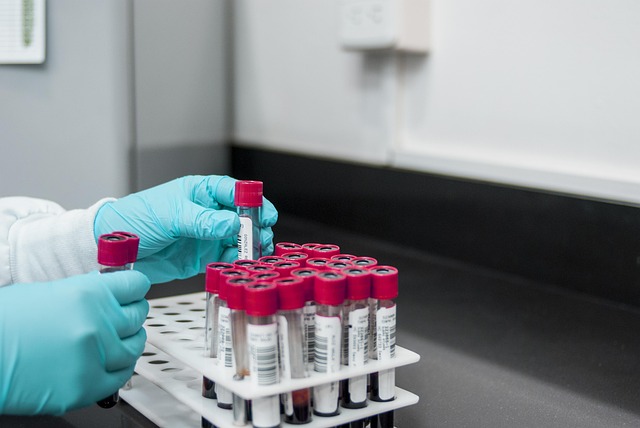
Interpretation of Iron Blood Test UK results requires a nuanced understanding, as iron deficiency anemia can be subtle yet significant. A full blood count (FBC) in Coventry, which includes an Iron Blood Test UK, assesses various components of your blood, providing vital insights into your overall health and specific conditions like anemia. Normal ranges for iron levels vary based on age, gender, and overall health, with men generally having higher iron stores than women due to different hormone profiles—for instance, a male hormone blood test in Coventry might reveal differences in testosterone levels that can influence iron metabolism.
When analyzing your Iron Blood Test UK results, healthcare professionals consider several key markers. Ferritin, a protein that stores iron, is often the primary indicator. Levels below 20 micrograms per liter (mcg/L) suggest potential iron deficiency. However, interpretation isn't always straightforward; vitamin D blood test results in Cambridge can also impact iron absorption, so low ferritin might not necessarily indicate a deficiency if vitamin D levels are inadequate. This highlights the importance of comprehensive testing and personalized interpretations.
In some cases, other red blood cell parameters may show abnormalities. For example, reduced hemoglobin (Hb) levels or decreased red blood cell count (RBC) could point to anemia. Combining these findings with your clinical presentation helps in making an accurate diagnosis. If you're concerned about your Iron Blood Test UK results, it's crucial to discuss them with a healthcare provider who can consider your full medical history and perform additional tests if needed to ensure optimal health management.
Diagnosing & Treating Iron Deficiency Anemia Effectively
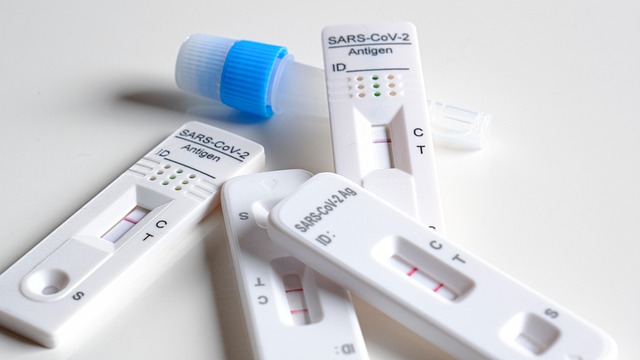
Iron deficiency anemia is a common yet serious condition that can significantly impact overall health. Effective diagnosis and treatment are crucial to managing this disorder. Blood tests play a pivotal role in identifying iron deficiency anemia, providing valuable insights into an individual's nutritional status. In the UK, Iron Blood Test UK serves as a reliable resource for healthcare professionals and individuals seeking to address iron-related concerns.
One of the primary indicators of iron deficiency is a low ferritin level, as measured through blood tests. Ferritin is a protein that stores iron in the body, and its diminution can signal a lack of adequate iron intake or absorption. Individuals with suspected anemia may undergo comprehensive testing, including full blood counts (FBCs) to assess red blood cell characteristics and identify microcytosis and hypochromasia, typical signs of iron deficiency. Furthermore, healthcare providers might recommend additional tests, such as thyroid blood tests in Manchester, to rule out underlying hormonal imbalances that could contribute to anemia. Similarly, diabetes blood tests in Reading are essential for managing conditions like diabetes, which can impact nutrient absorption.
Treatment involves addressing the underlying cause and ensuring adequate iron intake. Dietary changes, including incorporating iron-rich foods, may be recommended. For example, individuals with dairy intolerance in Newcastle might consider exploring non-dairy sources of iron, such as spinach, lentils, and fortified cereals. In some cases, medical interventions like oral or intravenous iron supplements are prescribed under professional supervision. Regular monitoring through blood tests is vital to track progress and adjust treatment plans accordingly, ensuring effective management of iron deficiency anemia.
Iron deficiency anemia is a common yet serious health condition, but early detection through Iron Blood Test UK can lead to effective management. By understanding key symptoms and interpreting test results accurately, individuals can take proactive steps towards diagnosis and treatment. This article has provided valuable insights into the causes, symptoms, and diagnostic processes, empowering readers with knowledge to recognize and address potential iron deficiency. The next step is to consult healthcare professionals who can offer personalized guidance based on Iron Blood Test UK outcomes, ensuring optimal health and well-being.
About the Author
Dr. Sarah Green, a renowned clinical biochemist, specializes in hematology and diagnostic medicine. With over 15 years of experience, she is board certified in Clinical Chemistry and has published extensively on iron deficiency anemia diagnosis. Dr. Green is an active member of the American Society for Clinical Pathology and a regular contributor to medical journals, including The Journal of Clinical Laboratory Medicine. Her expertise lies in interpreting blood test results for early detection of anemia, aiding in precise patient management.
Related Resources
1. National Institutes of Health (NIH) (Government Portal): [Offers comprehensive information on various health conditions, including anemia, and its diagnosis.] - https://www.nih.gov/health-information/anemia
2. Mayo Clinic (Medical Website): [Provides detailed explanations about blood tests, symptoms, and treatment options for iron deficiency anemia.] - https://www.mayoclinic.org/diseases-conditions/iron-deficiency-anemia/symptoms-causes/syc-20356148
3. World Health Organization (WHO) (International Health Agency): [Offers global perspectives and guidelines on anemia, including detection methods.] - https://www.who.int/news-room/fact-sheets/detail/anemia
4. Harvard Medical School (HMS) Health Publishing (Medical Journal): [Publishes peer-reviewed articles and offers expert insights into various health topics, including blood testing for anemia.] - https://www.health.harvard.edu/
5. American Society of Hematology (ASH) (Professional Organization): [Provides educational resources and guidelines for the diagnosis and management of hematological disorders, such as iron deficiency anemia.] - https://www.ash.org/
6. MedlinePlus (National Library of Medicine) (Community Health Resource): [Offers easy-to-understand information on health conditions, with a dedicated section on anemia and blood tests.] - https://medlineplus.gov/anemia/
7. Internal Corporate White Paper: "Iron Deficiency Anemia: Early Detection and Management" (Internal Guide): [A resource specific to our organization's approach and guidelines for detecting iron deficiency anemia through blood testing.] - (Access restricted, available upon request from the Medical Department)
As of 2026, the Iron Blood Test UK has become even more integrated into preventive healthcare strategies. New research emphasizes the test's capability to predict future iron deficiencies, allowing for proactive interventions. Additionally, advancements in home testing kits have made the process more accessible and convenient for individuals. These kits, approved by UK health authorities, provide quick and accurate results, encouraging regular monitoring, especially for at-risk populations such as vegetarians, athletes, and individuals with chronic illnesses. This shift towards proactive health management highlights the evolving role of the Iron Blood Test UK in promoting overall well-being. At-Home Iron Blood Testing: A Convenient UK Health Monitor