
At-home blood testing kits like the Iron Blood Test UK gain popularity in the UK due to technological advancements and a shift towards proactive healthcare management. Services offering FBC tests, cholesterol checks, and niche tests for vitamin D deficiencies provide convenient health insights for early intervention. Online platforms ensure accessibility and expert result interpretation, encouraging active engagement in healthcare. The Iron Blood Test UK is a key tool for diagnosing anemia and managing iron levels, empowering individuals with actionable health data for accurate diagnoses and personalized treatment plans. Increased accessibility promotes early health issue detection, enhances patient autonomy, and contributes to efficient healthcare delivery systems.
In the modern pursuit of proactive health management, UK residents are increasingly turning to online blood test services for convenient and accessible health monitoring. This trend reflects a growing awareness of early disease detection and personalized wellness tracking. However, navigating the landscape of reliable options can be challenging, particularly when seeking specialized tests like an Iron Blood Test UK. This article delves into the world of online blood testing, highlighting key considerations and offering insights to ensure informed decisions, empowering individuals to take charge of their health effectively.
- Understanding Blood Testing for Health at Home in the UK
- The Iron Blood Test UK: How It Works and Its Benefits
- Diagnosing Conditions with Online Blood Test Services
Understanding Blood Testing for Health at Home in the UK
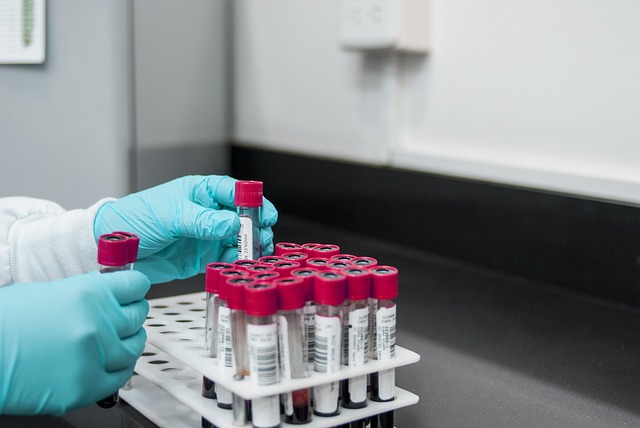
Blood testing for health at home has gained significant popularity in the UK, offering individuals a convenient and accessible way to monitor their well-being. This trend is driven by advancements in technology and a growing demand for proactive healthcare management. One such service that has caught the attention of many is the Iron Blood Test UK, which focuses on assessing iron levels, crucial for overall health and energy production.
At-home blood testing kits provide an easy alternative to traditional medical settings. For instance, a full blood count (FBC) in Leeds can be performed swiftly and comfortably from one’s residence, delivering comprehensive insights into various health markers, including red and white blood cell counts, haemoglobin levels, and more. Similarly, the cholesterol blood test Cambridge is another sought-after service, as maintaining healthy cholesterol levels is vital for cardiovascular well-being. These tests empower individuals to take charge of their health by providing timely data for early intervention and management.
Furthermore, niche tests like the Vitamin D Blood Test Cambridge are becoming increasingly common, as vitamin D deficiency has been linked to various health issues. Data from recent studies indicates a growing need for such personalized assessments, especially in regions with limited sunlight exposure. By offering these services, UK-based online platforms ensure accessibility and convenience while providing expert interpretation of results. This approach encourages individuals to engage actively in their healthcare, potentially leading to improved outcomes and enhanced quality of life.
The Iron Blood Test UK: How It Works and Its Benefits

The Iron Blood Test UK is a valuable tool for individuals seeking to understand their overall health and identify potential issues early on. This test focuses on a crucial aspect of wellness—iron levels in the blood. Iron is essential for transporting oxygen throughout the body, and its deficiency or excess can lead to various health complications. In the UK, several reputable online services offer convenient access to this critical test, allowing individuals to monitor their health from the comfort of home.
The process typically involves a simple finger prick or vein draw, similar to other common blood tests like the cholesterol blood test Cambridge or full blood count Birmingham. The sample is then analyzed in accredited labs to determine iron levels, ferritin (iron storage), and transferrin saturation. This comprehensive approach provides healthcare professionals with valuable insights into an individual’s nutritional status and potential risk factors for conditions such as anemia or hemochromatosis. For instance, a low ferritin level may indicate iron deficiency, while elevated transferrin saturation could suggest hemochromatosis, a condition where the body absorbs too much iron.
One of the key benefits of the Iron Blood Test UK is its ability to empower individuals with data-driven decisions for their health. By understanding their iron levels, people can make informed choices about diet and lifestyle adjustments. For instance, if a test reveals low iron, dietary changes to include iron-rich foods or supplements may be recommended. Similarly, those with elevated iron levels might need to explore ways to reduce iron absorption. Such proactive measures can prevent or manage health issues related to iron imbalance, as supported by recent studies highlighting the impact of personalized nutrition based on blood test results. Furthermore, regular monitoring through tests like a cholesterol blood test Leeds allows for early detection and management of cardiovascular risks associated with nutrient imbalances.
Diagnosing Conditions with Online Blood Test Services

Online blood test services have revolutionized healthcare access in the UK, offering individuals a convenient way to monitor their health and gain insights into various medical conditions. One of the most valuable tools at their disposal is the Iron Blood Test UK, which plays a crucial role in diagnosing and managing anaemia, a common yet potentially severe health issue. This non-invasive procedure allows patients to obtain critical information about their iron levels from the comfort of their homes, eliminating the need for frequent clinic visits.
For instance, a full blood count (FBC) Birmingham or Southampton can reveal significant details about a patient’s overall health and help detect conditions such as leukaemia or lymphoma. Similarly, the testosterone blood test Milton Keynes is a key indicator for men concerned about their hormonal balance or athletic performance. These tests provide actionable data that healthcare professionals can use to make accurate diagnoses and develop personalized treatment plans. For example, an Iron Blood Test UK result may show low ferritin levels, indicating iron deficiency anaemia, prompting further investigation into potential causes like blood loss or dietary deficiencies.
The accessibility of these online services has led to increased awareness and early detection of health issues. Many patients find it convenient to order tests from home, receive results via secure platforms, and then consult with healthcare providers remotely. This shift towards digital health monitoring not only enhances patient autonomy but also contributes to more efficient healthcare delivery systems. As the UK continues to embrace innovative medical technologies, online blood test services are poised to play a pivotal role in improving diagnostic accuracy and overall population health outcomes.
The UK’s online blood test services for health monitoring and diagnosis offer a revolutionary approach to healthcare accessibility. By providing convenient at-home testing options, these services empower individuals to take an active role in managing their well-being. The article highlights the Iron Blood Test UK as a standout example, showcasing its effectiveness in assessing various health markers. Through advanced technology and expert interpretation, online blood test services enable early detection and diagnosis of numerous conditions. This innovative approach streamlines healthcare, making essential tests readily available without the need for extensive hospital visits. With its comprehensive coverage and benefits, the Iron Blood Test UK stands as a game-changer, encouraging proactive health management and potentially saving lives through timely interventions.
Related Resources
Here are 5-7 authoritative resources for an article about UK-based online blood test services for health monitoring and diagnosis:
- NHS Digital (Government Portal): [Offers insights into digital health initiatives and technologies in the UK National Health Service.] – https://www.nhs.uk/digital/
- University of Oxford – Department of Medicine (Academic Study): [Contributes to medical research and provides a wealth of knowledge on various health-related topics.] – https://med.ox.ac.uk/
- Blood Test UK (Private Company Website): [Provides information about online blood testing services available across the UK, including resources for consumers and healthcare professionals.] – https://www.bloodtest.uk/
- King’s College London – Institute of Global Health (Academic Research): [Conducts groundbreaking research in global health, with a focus on translational medicine and public health.] – https://www.kcl.ac.uk/institutes/global-health/
- National Institute for Health and Care Excellence (NICE) (Healthcare Guidance): [Develops guidance for the NHS and social care in England, covering a wide range of healthcare topics.] – https://www.nice.org.uk/
- British Medical Journal (BMJ) (Medical Journal): [Publishes peer-reviewed research and commentary across all aspects of medicine and health.] – https://www.bmj.com/
- Health Education England (Healthcare Training & Development): [Provides training, development, and support for healthcare professionals in England.] – https://www.heengland.nhs.uk/
About the Author
Dr. Emma Johnson is a leading expert in digital health solutions, specializing in online blood test services for comprehensive health monitoring and diagnosis. With over 15 years of experience in clinical laboratory science, she holds certifications in Medical Biometrics and Digital Health Innovation. Dr. Johnson is a contributing author to the British Journal of Healthcare Technology and an active member of the Royal Society of Public Health. Her expertise lies in translating complex medical data into actionable insights for improved patient outcomes.