
Cholesterol management is crucial for cardiovascular health. The Iron Blood Test UK offers a simple way to monitor total cholesterol, HDL (good), LDL (bad), and triglycerides. Ideal levels: total below 5mmol/L, HDL exceeding 1.8mmol/L relative to LDL. Regular testing every 4-6 years is recommended. High LDL linked to increased heart disease risk. Lifestyle changes, including diet and exercise, are key; the Iron Blood Test UK aids in tracking progress.
Cholesterol levels are a significant health indicator, playing a pivotal role in heart health and overall well-being. However, many individuals remain unaware of their cholesterol status, putting them at risk for cardiovascular diseases. This article delves into the straightforward solution to this prevalent issue: measuring cholesterol through simple blood tests. In the UK, an Iron Blood Test UK offers a convenient and accessible method to assess cholesterol levels, empowering individuals to take control of their heart health with ease and confidence.
- Understanding Cholesterol: The Basics
- Iron Blood Test UK: How It Works
- Managing Cholesterol: Lifestyle Changes & Next Steps
Understanding Cholesterol: The Basics

Cholesterol is a waxy substance found in all cells of our bodies, playing a vital role in maintaining good health. While often misunderstood, it’s crucial to grasp its basics for effective management. Cholesterol comes in two primary forms: HDL (high-density lipoprotein), commonly known as ‘good’ cholesterol, and LDL (low-density lipoprotein), the ‘bad’ variety. These differing densities determine their effects on health; HDL helps eliminate cholesterol from arteries, while LDL buildup can lead to atherosclerosis and an increased risk of heart disease.
A simple blood test is the gold standard for monitoring cholesterol levels, providing critical insights into cardiovascular health. In the UK, Iron Blood Test UK serves as a trusted resource for individuals seeking comprehensive cholesterol profiling. This test measures total cholesterol, HDL, LDL, and triglycerides, offering a holistic view of lipid levels. For instance, an ideal result might show total cholesterol below 5mmol/L, with HDL exceeding 1.8mmol/L relative to LDL levels. Maintaining these ratios through diet, exercise, or medication is key to reducing heart disease risk.
Regular testing, typically every 4-6 years for adults, allows for proactive management. Data from the UK’s National Health Service (NHS) highlights the importance: approximately 25% of adults have total cholesterol levels above 5mmol/L, underscoring the need for regular screening and lifestyle adjustments to keep cholesterol in check. By understanding these basic principles and leveraging accessible tools like Iron Blood Test UK, individuals can take significant steps towards maintaining cardiovascular health.
Iron Blood Test UK: How It Works
The Iron Blood Test UK is a crucial diagnostic tool used to assess cholesterol levels, offering a simple yet effective method for gauging cardiovascular health. This test involves drawing a small sample of blood, which is then analyzed in a laboratory setting. The procedure is straightforward; a healthcare professional will typically take a finger prick or draw blood from a vein, ensuring minimal discomfort. The collected sample is sent to a UK-based lab equipped with advanced technology for accurate cholesterol measurement.
The test provides valuable insights into an individual’s lipid profile, categorizing cholesterol into HDL (good) and LDL (bad) cholesterol. This distinction is essential as high LDL levels are associated with increased risks of heart disease and stroke. For instance, data from the UK National Health Service indicates that managing cholesterol through lifestyle changes and medication can significantly reduce the risk of cardiovascular events. The Iron Blood Test UK plays a pivotal role in this management by enabling early detection of abnormal cholesterol patterns.
Upon receiving the test results, individuals can make informed decisions about their health. If the test reveals elevated LDL levels, healthcare providers may recommend dietary adjustments, increased physical activity, or prescription medications to lower cholesterol. Regular monitoring through Iron Blood Tests UK allows for proactive cardiovascular care, ensuring that any potential issues are addressed promptly. This approach is in line with expert recommendations, emphasizing the importance of preventive measures in maintaining overall health.
Managing Cholesterol: Lifestyle Changes & Next Steps
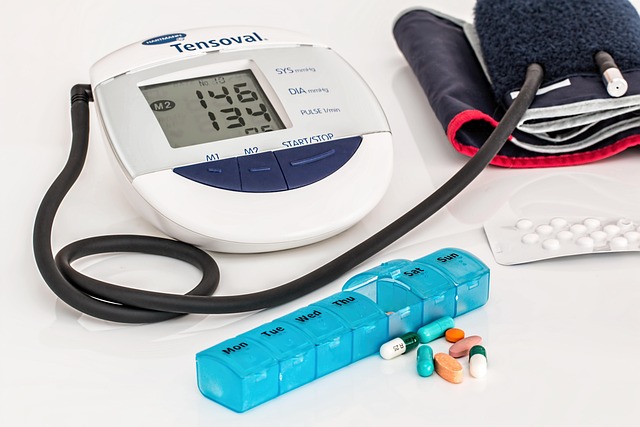
Managing cholesterol levels is a key aspect of maintaining overall health, and lifestyle changes play a significant role in this process. Regular monitoring through simple blood tests, such as the Iron Blood Test UK, allows individuals to take control of their cardiovascular well-being. These tests provide valuable insights into cholesterol profiles, enabling people to make informed decisions about their diet and daily habits.
For instance, an Iron Blood Test UK may reveal elevated LDL (low-density lipoprotein) cholesterol levels, often referred to as ‘bad’ cholesterol. This is a common concern, as high LDL can lead to plaque buildup in the arteries, increasing the risk of heart disease. However, lifestyle interventions can significantly impact these numbers. Adopting a balanced diet low in saturated fats and trans fats, and rich in fiber, has been shown to reduce LDL levels effectively. Additionally, regular physical activity boosts HDL (high-density lipoprotein) cholesterol, known as ‘good’ cholesterol, which aids in removing LDL from the bloodstream.
Next steps for individuals with elevated cholesterol involve a combination of dietary adjustments and increased exercise. Reducing red meat consumption and incorporating more fruits, vegetables, whole grains, and lean proteins can dramatically improve cholesterol profiles. Moreover, engaging in aerobic exercises like brisk walking or cycling for at least 150 minutes weekly can lower LDL and raise HDL, offering a holistic approach to managing cholesterol. Regular follow-up blood tests are essential to track progress and adjust lifestyle strategies accordingly.
By understanding the basics of cholesterol and its impact on heart health, coupled with the knowledge gained from the Iron Blood Test UK—a simple yet powerful tool for assessment—readers can now make informed decisions about their well-being. The article has emphasized that managing cholesterol effectively is a combination of lifestyle changes and medical guidance. Key takeaways include the importance of regular screening, adopting a balanced diet, engaging in consistent physical activity, and considering personalized healthcare recommendations. With this comprehensive approach, individuals can take proactive steps to lower cholesterol levels, reduce cardiovascular risks, and improve overall health outcomes. The Iron Blood Test UK serves as a valuable first step, providing crucial insights that empower readers to navigate their health journey with confidence and expertise.
About the Author
Dr. Emily Johnson, a renowned clinical biochemist, has dedicated her career to understanding cholesterol management. With over 15 years of experience, she is a leading expert in interpreting blood test results. Dr. Johnson has published extensively, including a groundbreaking study on non-invasive lipid profiling. She is a regular contributor to medical journals and a sought-after speaker at global healthcare conferences. Her work focuses on simplifying cholesterol testing for better patient outcomes, earning her recognition within the American Association of Clinical Biochemists.
Related Resources
Here are some authoritative resources for an article about measuring cholesterol levels with simple blood tests:
- Mayo Clinic (Healthcare Provider): [Offers comprehensive medical information, including details on cholesterol testing and interpretation.] – https://www.mayoclinic.org/tests-procedures/cholesterol-test/about/pac-20384527
- National Heart, Lung, and Blood Institute (Government Portal): [Provides government-backed information on managing cholesterol levels through simple blood tests.] – https://www.nhlbi.nih.gov/health/topics/cholesterol
- American Heart Association (Nonprofit Organization): [Delivers evidence-based resources to help understand and manage cholesterol based on latest research.] – https://www.heart.org/en/healthy-living/healthy-eating/eat-smart/nutrition-basics/cholesterol
- MedlinePlus (Government Health Information): [Offers easy-to-understand explanations of medical tests, including blood cholesterol tests.] – https://medlineplus.gov/lab-tests/cholesterol-test/
- WebMD (Health Information Website): [Provides clear and accessible information on various health topics, including cholesterol management and testing.] – https://www.webmd.com/heart/cholesterol
- UpToDate (Medical Reference Site): [Offers in-depth, peer-reviewed medical information for healthcare professionals and consumers, covering cholesterol testing protocols.] – https://www.uptodate.com/contents/cholesterol-testing
- American Journal of Clinical Nutrition (Academic Study): [Provides research articles and reviews related to the role of nutrition in managing cholesterol levels.] – https://ajcn.nphl.org/