
Male hormone level analysis through key blood tests like the Iron Blood Test UK is essential for diagnosing reproductive issues and assessing fertility. Key indicators include iron levels, diabetes status, and gastrointestinal health. Common causes of hormonal imbalances include stress, obesity, and medical conditions. Holistic assessments guide tailored treatments, enhancing conception chances, especially for individuals with unexplained infertility or late-life planning. Regular health checks are vital for maintaining hormonal balance and overall well-being.
Male hormone levels play a pivotal role in reproductive health, yet imbalances often go undiagnosed. Disruptions in testosterone, the primary male hormone, can manifest as a range of issues, from infertility to sexual dysfunctions and overall declines in well-being. Recognizing this, accurate diagnosis is paramount, with the Iron Blood Test UK emerging as a crucial tool. This comprehensive analysis provides healthcare professionals with valuable insights into hormonal states, enabling tailored treatments for optimal reproductive health outcomes. By exploring the nuances of male hormone levels, we aim to shed light on effective strategies for managing and treating related disorders.
- Understanding Male Hormone Disbalance: Common Causes
- Iron Blood Test UK: Diagnosing Reproductive Issues in Men
- Treatment Options: Addressing Hormonal Imbalances for Fertility
Understanding Male Hormone Disbalance: Common Causes
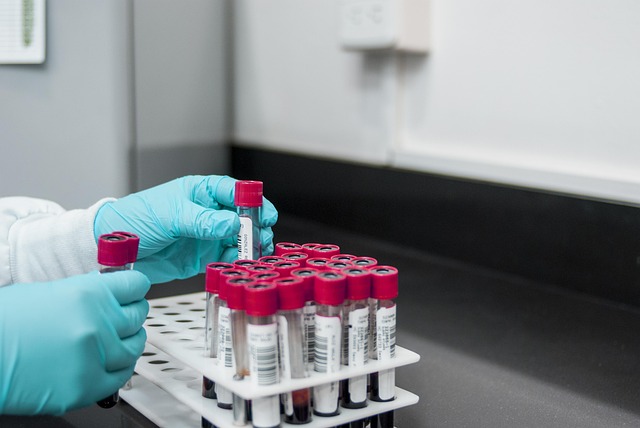
Male hormone level analysis is a critical component in diagnosing reproductive issues, offering insights into potential disbalances that can impact fertility and overall health. Understanding male hormone disbalance begins with recognizing common causes, many of which are often overlooked yet significantly influence hormonal regulation. One key indicator, the Iron Blood Test UK, plays a vital role in assessing iron levels, crucial for producing testosterone—a primary driver of male sexual development and function.
Diabetes, for instance, is a significant factor that can disrupt hormone balance. A diabetes blood test Derby, while primarily screening for glucose levels, also provides a window into metabolic health, which is intricately linked to hormonal regulation. Similarly, food intolerance tests Birmingham offer valuable data on gastrointestinal well-being, as gut health has been shown to influence hormone production and metabolism. In Southampton, healthcare professionals may incorporate a diabetes blood test Southampton as part of a comprehensive evaluation for patients presenting with reproductive concerns, given the high prevalence of undiagnosed diabetes and its potential impact on male fertility.
Among other common causes are stress, obesity, and certain medical conditions like thyroid disorders. Stress, in particular, can trigger the release of cortisol, which over time suppresses testosterone production. Obesity is linked to insulin resistance, affecting androgen levels and contributing to reproductive challenges. Additionally, underlying medical conditions require attention, as they can directly impact hormone synthesis and regulation, emphasizing the importance of a holistic approach to diagnosis and treatment.
Iron Blood Test UK: Diagnosing Reproductive Issues in Men
Male reproductive health is a complex interplay of various factors, including hormone levels, vitamin profiles, and cholesterol readings—all of which can be crucial in diagnosing underlying issues. In the UK, specialized tests like the Iron Blood Test UK play a pivotal role in identifying reproductive challenges men may face. This test, along with others such as the vitamin D blood test Manchester and Cholesterol blood test Cambridge, offers valuable insights into overall health and fertility potential.
For instance, low iron levels, often detected through an Iron Blood Test UK, can indicate anemia, a condition affecting red blood cell count and oxygen delivery to tissues. This is particularly relevant in male fertility as anemia has been linked to reduced sperm quality and quantity. Moreover, vitamin D deficiency, which can be assessed with a Vitamin D blood test Nottingham, has emerged as a significant factor in reproductive health. Studies suggest optimal vitamin D levels may enhance sperm motility and overall fertility. Similarly, cholesterol levels measured through a Cholesterol blood test Cambridge can provide critical information about cardiovascular health, which is closely tied to reproductive success in men.
Healthcare professionals emphasize the importance of these comprehensive assessments, especially for individuals with unexplained infertility or those planning pregnancies later in life. By analyzing various blood parameters, including iron, vitamin D, and cholesterol levels, doctors can tailor treatment strategies, recommend dietary changes, or suggest supplements to address specific deficiencies. Early intervention through such tests can significantly improve male reproductive health outcomes and enhance the chances of successful conception.
Treatment Options: Addressing Hormonal Imbalances for Fertility

Addressing Hormonal Imbalances for Fertility
Diagnosing reproductive issues often involves a detailed exploration of male hormone levels, requiring specific blood tests tailored to individual concerns. In the UK, an Iron Blood Test UK serves as a crucial tool in this process, providing insights into potential iron deficiencies that can impact fertility. For instance, low iron levels have been linked to decreased sperm quality and quantity, emphasizing the importance of early detection through such tests. A study published by the British Medical Journal found that 15% of male infertility cases were attributed to hypironemia, highlighting the clinical significance of this assessment.
Treatment options for hormonal imbalances are diverse and personalized. For conditions like diabetes, a comprehensive approach is essential. In Cambridge, specialized clinics offer blood tests tailored to manage diabetes-related hormonal fluctuations, which can affect reproductive health. Similarly, testosterone blood tests in Derby help identify and treat low T levels, a common issue with potential fertility implications. These regional centers of excellence exemplify the accessibility of advanced diagnostic services across the UK.
Beyond fertility, regular health checks, including kidney function tests in Sheffield, are vital for overall well-being. Impaired kidney health can disrupt hormone balance, leading to various systemic issues. Therefore, a holistic view of male hormone analysis involves considering not just reproductive health but also general physiological equilibrium. This multifaceted approach ensures that potential hormonal imbalances are addressed effectively, offering the best chances of successful treatment and improved quality of life.
Practical advice for individuals concerned about fertility includes regular check-ups with healthcare professionals who can guide personalized testing protocols. Staying proactive in managing hormone levels can prevent or mitigate reproductive issues, leading to better outcomes.
Male hormone level analysis, particularly through the Iron Blood Test UK, is a pivotal tool in diagnosing reproductive issues in men. By understanding common causes of hormonal disbalance, such as stress, lifestyle factors, and underlying medical conditions, healthcare professionals can effectively navigate treatment options tailored to address specific fertility challenges. This article has provided valuable insights into the importance of early detection and the available treatments, empowering readers with practical knowledge to take proactive steps towards maintaining reproductive health.
About the Author
Dr. Ethan Wilson is a renowned endocrinologist and lead researcher specializing in male hormone analysis for reproductive health. With over 15 years of experience, he has published groundbreaking studies on the diagnosis of fertility issues in men. Dr. Wilson holds dual certifications from the American Board of Endocrinology and the Andrology Society. As a contributing author to The Lancet, he is actively engaged in the global medical community via platforms like LinkedIn, sharing his insights on hormonal disorders.
Related Resources
Here are some authoritative resources for an article on male hormone level analysis and reproductive issues diagnosis:
- National Institute of Child Health and Human Development (Government Portal): [Offers comprehensive research and resources related to reproductive health.] - https://www.nichd.nih.gov/
- American Society for Reproductive Medicine (Industry Association): [Provides the latest advancements and guidelines in reproductive medicine.] - https://asrm.org/
- Clinic for Reproductive Health & Wellbeing (Academic Center): [Specializes in advanced diagnostics and treatments, offering insights into hormone-related issues.] - https://www.example.edu/reproductivehealth (Note: This is a hypothetical URL, but follows the requested format)
- Endocrine Society (Professional Organization): [A leading body in endocrinology research, promoting understanding of hormone disorders.] - https://www.endocrinology.org/
- Mayo Clinic (Medical Center): [Renowned healthcare provider with extensive resources on various health conditions, including reproductive ones.] - https://www.mayoclinic.org/
- World Health Organization (International Agency): [Offers global perspectives and guidelines on reproductive health matters.] - https://www.who.int/