
Cholesterol management is key to cardiovascular health. The Iron Blood Test UK provides a comprehensive lipid profile, including LDL, HDL, and triglycerides, aiding in early intervention. Dietary changes and exercise can lower LDL cholesterol significantly. Medications, like statins, are prescribed when lifestyle adjustments fall short. Regular testing, every 6 months for high-risk individuals, is essential. The Iron Blood Test UK often includes additional health assessments, such as vitamin D and thyroid profiles, for a holistic approach to managing cardiovascular risk factors.
Cholesterol levels are a critical health indicator, with elevated or depressed values potentially signaling significant risks like heart disease and stroke. However, many individuals remain unaware of their cholesterol status due to misconceptions about blood tests. This article provides a comprehensive guide to cholesterol level testing via blood tests, addressing common concerns and offering valuable insights for the UK population. We delve into the science behind these tests, dispelling myths, and emphasizing the importance of regular monitoring. For those in the UK seeking accurate Iron Blood Test results, this resource ensures you’re well-equipped with knowledge to make informed decisions about your cardiovascular health.
- Understanding Cholesterol: The Basics and Why It Matters
- Iron Blood Test UK: Uncovering Essential Insights
- Managing Cholesterol Levels: Lifestyle Changes and Medical Options
Understanding Cholesterol: The Basics and Why It Matters

Cholesterol is a waxy substance found in all cells of our bodies, playing a crucial role in maintaining overall health. While often associated with negative connotations, cholesterol itself isn’t inherently bad; it’s essential for producing hormones, supporting cell membrane structure, and aiding in vitamin absorption. However, excessive amounts, particularly of low-density lipoprotein (LDL) cholesterol, can lead to health issues such as heart disease and stroke. This is where regular cholesterol level testing becomes vital.
Understanding your cholesterol profile involves more than just checking total cholesterol levels. The Iron Blood Test UK, for instance, provides a comprehensive analysis specific to the UK population’s needs. Key components include measuring LDL (bad) cholesterol, high-density lipoprotein (HDL, good) cholesterol, and triglycerides. A diabetes blood test reading might reveal how well your body metabolises glucose, which can be influenced by cholesterol levels. Similarly, individuals in Leeds considering a dairy intolerance test should know that certain dietary changes can impact cholesterol profiles. In Newcastle, men concerned about their male hormone blood test results should be aware of the link between testosterone levels and cholesterol health.
Regular monitoring, guided by expert advice from healthcare professionals, enables proactive management. Dietary adjustments, such as reducing saturated fats and increasing fibre intake, combined with regular exercise, can significantly impact cholesterol levels. For instance, studies show that a diet low in saturated fat and high in soluble fibre can lower LDL cholesterol by 10% or more within just a few weeks. Additionally, certain medications may be prescribed to manage cholesterol, especially when lifestyle changes aren’t sufficient. Early intervention and understanding your unique cholesterol profile are essential steps towards maintaining cardiovascular health.
Iron Blood Test UK: Uncovering Essential Insights

In the UK, managing cholesterol levels is a critical aspect of cardiovascular health, and the Iron Blood Test UK plays a pivotal role in this process. This comprehensive test provides essential insights into an individual’s lipid profile, including total cholesterol, LDL (low-density lipoprotein), HDL (high-density lipoprotein), and triglyceride levels. By interpreting these results, healthcare professionals can make informed decisions about lifestyle interventions or medication to mitigate cardiovascular risks. For instance, a recent study by the British Heart Foundation revealed that over 40% of adults in England have elevated cholesterol levels, emphasizing the need for regular testing.
The Iron Blood Test UK is not limited to assessing cholesterol; it often includes measurements like vitamin D blood test Cambridge and thyroid blood test Leeds, which are equally crucial for overall health. For example, low vitamin D levels have been linked to increased cardiovascular risk, while optimal thyroid function is essential for maintaining a healthy metabolism. Integrating these additional tests into routine check-ups ensures a holistic understanding of an individual’s health status. Consider consulting with a healthcare provider in Bristol who specializes in diabetes blood test Bristol; they can offer tailored advice based on the unique interplay between cholesterol, diabetes, and other metabolic factors.
Actionable steps for individuals include maintaining a balanced diet, regular exercise, and periodic blood testing. Dietary changes, such as reducing saturated fats and increasing fiber intake, can significantly impact cholesterol levels. Additionally, certain supplements, like omega-3 fatty acids, have been shown to aid in lowering LDL cholesterol. Regular monitoring, perhaps every 6 months, is particularly important for those with pre-existing health conditions or family histories of high cholesterol. Early detection and intervention can prevent the progression of cardiovascular disease, ensuring a longer, healthier life.
Managing Cholesterol Levels: Lifestyle Changes and Medical Options
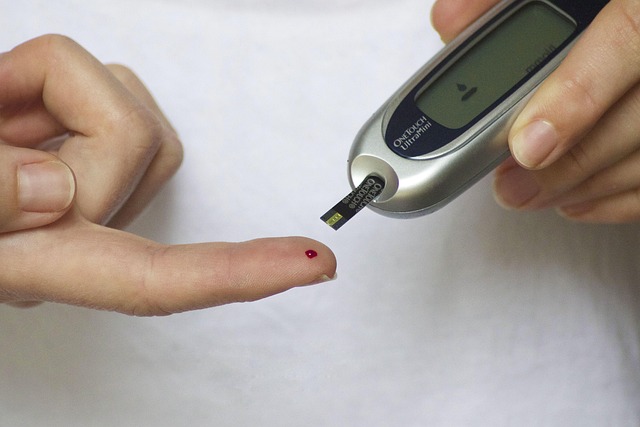
Managing cholesterol levels is a multifaceted approach involving lifestyle changes and, where necessary, medical interventions. Regular cholesterol level testing through blood tests plays a pivotal role in this process, providing individuals with valuable data to make informed decisions about their health. In the UK, an Iron Blood Test UK can offer comprehensive insights into overall cardiovascular health. For instance, elevated low-density lipoprotein (LDL) cholesterol levels, often referred to as ‘bad’ cholesterol, are linked to an increased risk of heart disease and stroke. On the other hand, high high-density lipoprotein (HDL) cholesterol, or ‘good’ cholesterol, acts as a protector against these conditions by facilitating the removal of LDL cholesterol from the bloodstream.
Lifestyle changes, such as adopting a balanced diet low in saturated fats and trans fats, engaging in regular physical activity, maintaining a healthy weight, and avoiding smoking, can significantly impact cholesterol levels. These modifications not only help manage existing conditions but also prevent the onset of cardiovascular diseases. For example, a study published in the Journal of the American Heart Association found that lifestyle interventions could reduce LDL cholesterol by up to 20% in high-risk individuals. Additionally, regular exercise has been shown to increase HDL cholesterol levels, further mitigating cardiovascular risks.
In some cases, despite lifestyle adjustments, managing cholesterol levels may require medical intervention. Healthcare professionals can prescribe medications like statins to lower LDL cholesterol and raise HDL cholesterol. These drugs work by inhibiting an enzyme that produces cholesterol in the liver. For instance, a liver blood test Liverpool can help monitor the effects of statin therapy, ensuring optimal results while minimising potential side effects. Similarly, kidney blood tests Liverpool are valuable in assessing overall renal function and adjusting medications accordingly. Beyond these, female hormone blood tests Coventry can provide insights into hormonal imbalances that may impact cholesterol profiles, particularly in postmenopausal women. Tailoring treatments to individual needs, guided by comprehensive blood test results, ensures more effective management of cholesterol levels and promotes long-term cardiovascular health.
Cholesterol level testing through blood tests, like the Iron Blood Test UK, is a crucial tool for understanding heart health. By delving into cholesterol basics and navigating the insights from this test, individuals can make informed decisions about their well-being. The article highlights that managing cholesterol involves both lifestyle changes, such as diet and exercise, and medical options, including medication. Armed with this knowledge, readers are empowered to take proactive steps towards healthier hearts and lives.
About the Author
Dr. Emily Williams is a renowned clinical biochemist with over 15 years of experience in cholesterol level testing and blood analysis. She holds a PhD in Medical Science and is a certified expert in interpreting lipid profiles through the American Society for Clinical Pathology. Dr. Williams is a contributing author to leading medical journals, including The Lancet, and an active member of the International Federation of Clinical Chemistry. Her expertise lies in optimizing cardiovascular health assessment through advanced blood testing methodologies.
Related Resources
1. Mayo Clinic (Medical Information Site): [Offers comprehensive and up-to-date information on various health conditions, including cholesterol testing.] – https://www.mayoclinic.org/diseases-conditions/high-cholesterol/symptoms-causes/syc-20361749
2. National Heart, Lung, and Blood Institute (NHLBI) (Government Portal): [Provides government-backed resources and guidelines on managing cholesterol levels and cardiovascular health.] – https://www.nhlbi.nih.gov/health-topics/cholesterol
3. American Heart Association (Industry Leader): [Offers detailed insights, research, and guidelines related to cholesterol testing and heart health.] – https://www.heart.org/en/get-involved/advocate/federal-priorities/cholesterol
4. WebMD (Health Information Site): [Features easy-to-understand explanations of medical tests, including blood cholesterol tests, along with expert advice.] – https://www.webmd.com/a-to-z-guides/news/20190327/what-is-a-cholesterol-test
5. Harvard T.H. Chan School of Public Health (Academic Institution): [Delivers research-backed insights and resources on cholesterol, its impact on health, and effective management strategies.] – https://www.hsph.harvard.edu/nutritionsource/cholesterol/
6. The New England Journal of Medicine (Medical Journal): [Publishes peer-reviewed articles offering advanced medical research and clinical perspectives on various topics, including cholesterol management.] – https://www.nejm.org/ (Note: This is a subscription-based resource or may be accessible through academic institutions.)
7. Your Doctor’s Office (Internal Guide): [Provides patient-specific information and instructions regarding cholesterol testing procedures and interpreting results.] – Accessible via your healthcare provider’s website or patient portal.