
Iron deficiency anemia, a global issue, is a blood disorder caused by low iron levels, crucial for oxygen transport. Common in the UK, especially among women of childbearing age and those with dietary or gastrointestinal conditions, it's diagnosed via Iron Blood Test UK and Complete Blood Count (CBC). Low ferritin levels indicate reduced iron availability, confirming anemia. Healthcare professionals interpret test results alongside patient history to tailor treatment plans, including dietary adjustments, supplements, or medical interventions.
Iron deficiency anemia is a common but serious condition, often caused by inadequate iron intake or blood loss. Understanding and diagnosing this condition accurately is crucial for effective treatment. This article explores how blood tests play a pivotal role in identifying Iron deficiency anemia, focusing on the key Iron Blood Test UK guidelines and interpretations. By understanding test results, healthcare professionals can promptly initiate appropriate treatments to restore health.
- Understanding Iron Deficiency Anemia
- The Role of Blood Tests in Diagnosis
- Interpreting Iron Blood Test Results in the UK
Understanding Iron Deficiency Anemia
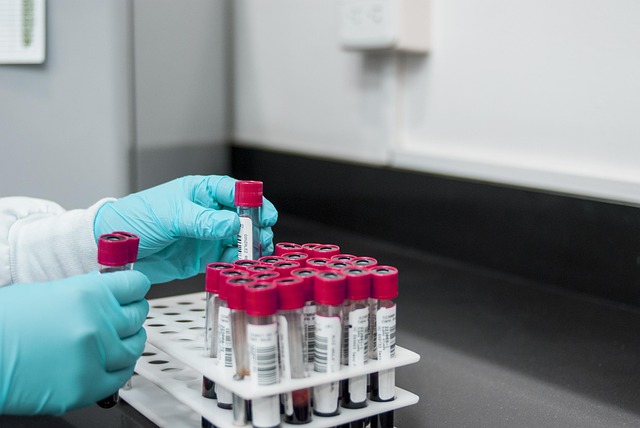
Iron deficiency anemia is a common blood disorder that occurs when your body doesn’t have enough iron. Iron is an essential mineral responsible for transporting oxygen around your body, giving red blood cells their distinctive red color. When iron levels are low, red blood cells become smaller and fewer in number, leading to reduced oxygen delivery to vital organs and tissues. This condition can cause a range of symptoms, including fatigue, weakness, pale skin, shortness of breath, dizziness, and headaches.
In the UK, iron deficiency anemia is one of the most frequently diagnosed blood disorders, particularly among women of childbearing age and individuals with certain dietary habits or gastrointestinal conditions. The good news is that it’s easily detectable through simple blood tests designed to measure ferritin levels—a protein that stores iron in your body. If left untreated, iron deficiency anemia can lead to more serious health issues; however, it’s typically a manageable condition that can be treated effectively with dietary changes, iron supplements, or in some cases, medical interventions.
The Role of Blood Tests in Diagnosis

In the diagnosis of iron deficiency anemia, blood tests play a pivotal role. One of the primary tools used is the complete blood count (CBC) which measures different components of your blood, including red blood cells and hemoglobin levels. Hemoglobin, rich in iron, carries oxygen throughout your body, so its low levels in blood can indicate anemia. The Iron Blood Test UK is a specific procedure that focuses on assessing iron stores in the body by measuring ferritin, a protein that contains stored iron.
Low ferritin levels are often indicative of iron deficiency, as it suggests reduced iron availability for hemoglobin production. This test is crucial for confirming the presence and severity of iron deficiency anemia. By combining these blood tests with clinical evaluation and patient history, healthcare professionals in the UK can accurately diagnose and tailor treatment plans to address the specific needs of each individual.
Interpreting Iron Blood Test Results in the UK

In the UK, interpreting iron blood test results is a crucial step in diagnosing iron deficiency anaemia. The most common test is the serum ferritin test, which measures the amount of stored iron in your body. A low ferritin level—typically below 20 micrograms per litre (mcg/L) for adults—indicates iron deficiency. This can be further confirmed by checking haemoglobin and haematocrit levels, which reflect the overall health of red blood cells and their ability to carry oxygen.
Healthcare professionals in the UK will consider these results in context, taking into account factors such as age, gender, and other potential causes of anaemia. For instance, women of childbearing age may have lower ferritin levels due to menstruation, while older adults might experience iron loss through diet or gastrointestinal bleeding. Accurately interpreting these tests is essential for tailoring treatment effectively, whether it involves dietary changes, iron supplements, or further investigation into underlying health issues.
Iron deficiency anemia, a common condition globally, can be effectively diagnosed and managed through comprehensive blood testing. In the UK, healthcare professionals rely on specific iron blood tests to identify levels of ferritin and hemoglobin, crucial indicators for anemia. Understanding these test results is key in determining treatment options, ensuring individuals with low iron levels receive appropriate care. Whether it’s dietary adjustments or medical interventions, addressing Iron deficiency anemia is essential for overall health and well-being, as confirmed by reliable Iron Blood Test UK procedures.