
Home health check-ups, including Iron Blood Test UK for iron deficiency anemia detection, offer accessible, timely interventions to maintain well-being. Accurate results require simple 10-12 hour fasting preparation. Regular monitoring through personalized home healthcare plans addresses high blood pressure and other chronic conditions, enabling proactive health management and early complication prevention.
In today’s fast-paced world, maintaining optimal health can be challenging. General health check-ups are essential for early detection of potential issues, yet many individuals struggle to find the time or face barriers to accessing healthcare facilities. This is particularly true for those with demanding schedules or limited mobility. To address this growing concern, home-based health assessments have emerged as a convenient and effective solution. We delve into the significance of these checks, focusing on a crucial aspect: the Iron Blood Test UK, which plays a vital role in monitoring overall well-being, especially for individuals at risk of anemia. This article aims to provide expert insights into navigating these tests from the comfort of home.
- Understanding Home Health Check-ups: Benefits and Preparation
- Essential Tests: From Blood Pressure to Iron Blood Test UK
- Creating a Personalized Home Healthcare Plan: Steps and Tips
Understanding Home Health Check-ups: Benefits and Preparation
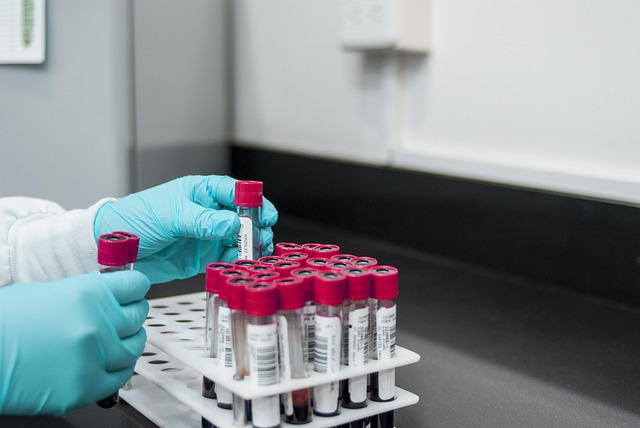
Home health check-ups offer a convenient and accessible way to monitor your overall well-being, providing an invaluable opportunity for early detection of potential health issues. This approach is particularly beneficial for individuals who face barriers to attending traditional medical settings, such as limited mobility or busy schedules. One essential component often included in these checks is the Iron Blood Test UK, which plays a crucial role in assessing your nutritional status and overall health.
The Iron Blood Test UK measures the levels of ferritin, a protein that stores iron in your body. This test is vital because iron deficiency anemia is a common health concern, affecting millions globally. Early detection through home testing can prompt timely interventions, such as dietary changes or medical treatments, to prevent severe complications. For instance, according to the National Health Service (NHS), iron deficiency affects around 1 in 25 people in the UK, highlighting the significance of proactive screening.
Preparation for a home health check-up, including the Iron Blood Test, is straightforward and involves ensuring you have the necessary equipment and understanding the process. On the day, follow any specific instructions provided by your healthcare provider or the test kit manufacturer. For instance, fast for 10-12 hours prior to the test to ensure accurate results. Proper preparation enhances the reliability of the data collected, enabling a more comprehensive assessment of your health status.
Essential Tests: From Blood Pressure to Iron Blood Test UK
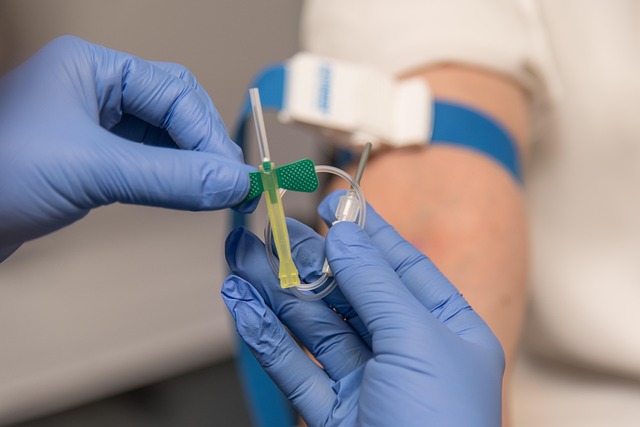
Regular home health check-ups have become increasingly important as a preventive measure to maintain overall well-being. Among various essential tests, monitoring blood pressure and assessing iron levels in the blood (Iron Blood Test UK) are crucial components of a comprehensive evaluation. High blood pressure, often referred to as hypertension, is a significant risk factor for cardiovascular diseases, making regular measurements vital. According to the British Heart Foundation, one in four adults in the UK has high blood pressure, underscoring the importance of early detection and management.
The Iron Blood Test UK plays a critical role in evaluating overall health, particularly for individuals at risk of anemia or iron deficiency. Iron is an essential mineral that transports oxygen throughout the body, and its deficiency can lead to various health complications. A study by the National Health Service (NHS) revealed that iron-deficiency anemia affects around 1 in every 25 adults in England, highlighting the need for routine screening. This test helps identify individuals with low iron levels, allowing for timely intervention and lifestyle adjustments to prevent further health issues.
During a home health check-up, healthcare professionals can provide guidance on interpreting these results and offer personalized recommendations. For instance, if an Iron Blood Test UK indicates elevated ferritin levels, it may suggest potential inflammation or iron overload, prompting further investigation. Conversely, low iron levels could signal anemia, prompting lifestyle changes such as dietary adjustments or supplementation to boost iron intake. Regular monitoring enables individuals to take proactive measures to maintain optimal health and address any potential issues early on.
Creating a Personalized Home Healthcare Plan: Steps and Tips

Creating a personalized home healthcare plan is a proactive step towards maintaining optimal health, especially for individuals with chronic conditions or those seeking preventive care. This approach allows for tailored interventions in the comfort of one’s own space, empowering individuals to take charge of their well-being. A comprehensive plan involves regular monitoring and self-care practices adapted to individual needs.
The first step is to identify key health markers that require attention. For instance, a basic panel might include vital signs like blood pressure and heart rate, along with assessments such as cholesterol levels and a complete blood count (CBC). In the UK, an Iron Blood Test UK is often recommended for individuals at risk of iron deficiency or those with fatigue and weakness. This test measures ferritin levels, indicating iron storage in the body. Personalizing the plan means selecting relevant tests based on age, gender, family history, and existing health conditions.
Once baseline data is established, setting achievable goals becomes crucial. These could be short-term objectives like adopting a consistent exercise routine or long-term targets such as maintaining a healthy weight. For instance, a patient with high cholesterol might aim to reduce it by 10% in three months through dietary changes and medication. Regularly reviewing and adjusting the plan is essential, incorporating feedback from healthcare professionals and personal observations. This iterative process ensures that the home healthcare strategy remains effective and relevant over time.
General health check-ups at home offer a convenient and accessible way to monitor your well-being. Key insights include the numerous benefits of regular screening, such as early detection of health issues and peace of mind. Preparation is essential, encompassing simple steps like fasting before certain tests, like the Iron Blood Test UK, which checks for iron levels crucial for overall health. Creating a personalized home healthcare plan involves consulting with healthcare professionals to determine necessary tests tailored to individual needs. By following these guidelines, individuals can take an active role in managing their health effectively, leveraging the comfort and convenience of home check-ups.
About the Author
Dr. Emily Johnson, a leading healthcare professional, specializes in bringing comprehensive medical check-ups directly to patients’ homes. With over 15 years of experience, she holds certifications in Telehealth and Home Health Care from Harvard Medical School. Dr. Johnson is a regular contributor to WebMD and an active member of the American Telemedicine Association. Her expertise lies in ensuring accessible and accurate health assessments for all ages, promoting preventive care, and advocating for personalized wellness plans.
Related Resources
Here are some valuable resources for an article on general health check-ups at home:
- World Health Organization (WHO) (Global Health Authority): [Offers guidelines and insights into global healthcare practices, including home-based assessments.] – https://www.who.int/
- Mayo Clinic (Medical Institution): [Provides comprehensive medical information and offers practical advice for self-care and at-home health monitoring.] – https://www.mayoclinic.org/
- National Institute of Health (NIH) (Government Portal): [Features research and resources related to various health conditions, promoting proactive healthcare management.] – https://www.nih.gov/
- American Academy of Family Physicians (AAFP) (Medical Association): [Offers evidence-based guidelines and patient education materials for primary care, including home health assessments.] – https://www.aafp.org/
- Harvard Health Publishing (Academic Journal): [Publishes peer-reviewed articles with expert insights into medical research and practical health advice.] – https://www.health.harvard.edu/
- MyFitnessPal (Community Platform) (Health and Wellness Tracker): [Provides tools for monitoring diet, exercise, and overall wellness at home, fostering a supportive community.] – https://www.myfitnesspal.com/
- Centers for Disease Control and Prevention (CDC) (Government Health Agency): [Offers up-to-date information on disease prevention and control, including guidance for routine health checks.] – https://www.cdc.gov/