
Vitamin B12 deficiency, often overlooked in seniors, affects 1 in 50 UK adults. Subtle symptoms like neurological, gastrointestinal, or cardiovascular issues, anemia may indicate deficiency. Early detection via specialized panels from Iron Blood Test UK is crucial for timely treatment. Healthcare professionals interpret blood tests (normal >140 pg/mL) and guide dietary changes, supplements, or injections for severe cases. Regular follow-ups prevent complications and ensure nerve damage prevention. Persistent symptoms despite adequate diet require testing and professional evaluation.
Vitamin B12 deficiency is a growing concern, affecting millions globally. Adequate levels are essential for nerve function, red blood cell formation, and overall well-being. However, subtle symptoms can often go unnoticed, leading to undiagnosed deficiencies. This is particularly relevant in the UK, where Iron Blood Test services have become increasingly important for accurate assessments. Our comprehensive guide explores the significance of Vitamin B12 deficiency testing through blood analysis, empowering individuals to make informed decisions regarding their health. We demystify the process and provide valuable insights based on expert knowledge from the Iron Blood Test UK context.
- Understanding Vitamin B12 Deficiency Symptoms
- Interpreting Blood Test Results for B12 Deficiency in UK
- When to Consult a Healthcare Professional for Iron Blood Test UK
Understanding Vitamin B12 Deficiency Symptoms

Vitamin B12 deficiency is a growing concern, often overlooked yet far more prevalent than many realize. Recognizing its subtle symptoms is crucial for timely intervention. The classic signs include fatigue, weakness, and memory issues, but these may not always be evident. A comprehensive review of symptoms is essential, as data from the NHS suggests that nearly 20% of people over 65 in the UK may have a deficiency without knowing it. This silent condition can lead to more severe health complications if left undiagnosed.
Practical insights suggest that individuals experiencing neurological issues like tingling or numbness in hands and feet, balance problems, or cognitive difficulties should undergo testing. Anemia is another red flag; while it has various causes, a Vitamin B12 deficiency could be the underlying factor. Iron Blood Test UK, for instance, offers specialized panels to identify this precisely. Additionally, symptoms may manifest differently in different individuals—from gastrointestinal distress to mood changes and even heart palpitations.
The key lies in proactive health management. If you suspect any unusual symptoms, consulting a healthcare professional is advisable. They can interpret test results accurately, as blood tests for Vitamin B12 deficiency measure the levels of this essential nutrient in your body. Early detection through such tests enables prompt treatment, which typically involves supplementation or dietary adjustments to ensure adequate intake.
Interpreting Blood Test Results for B12 Deficiency in UK
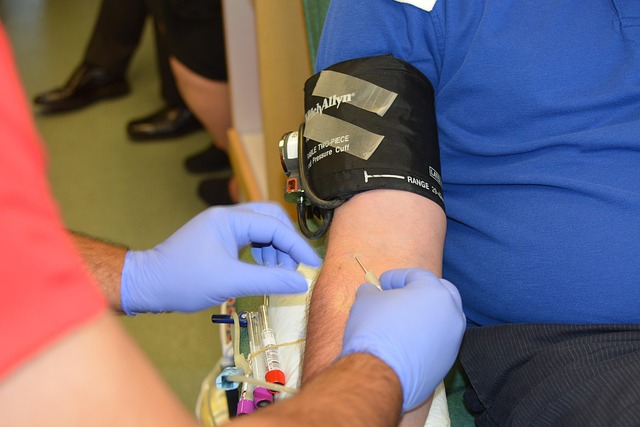
Interpreting blood test results for B12 deficiency in the UK is a critical step towards effective management and treatment. The Iron Blood Test UK, as it’s commonly known, assesses the level of vitamin B12 in your blood, which is essential for nerve function and the formation of red blood cells. Normal ranges typically vary slightly between different labs, but generally, levels above 140 pg/mL (picograms per milliliter) are considered sufficient. Deficiency is indicated by levels below 140 pg/mL, with severe deficiency often classified as below 50 pg/mL.
Healthcare professionals in the UK should consider multiple factors when interpreting these results. For instance, a slightly low B12 level might not necessarily indicate deficiency if there are no symptoms or other risk factors present. Conversely, levels appearing within the normal range can sometimes be misleading, especially in patients with certain medical conditions or those taking medications that affect B12 absorption. It’s crucial to consider the patient’s overall health, diet, and lifestyle alongside test results for a comprehensive understanding of their B12 status.
Actionable advice based on these findings includes recommending dietary changes, such as increasing intake of B12-rich foods or considering B12 supplements. For those with severe deficiency, medical intervention is necessary, often involving injections of hydroxocobalamin to rapidly raise B12 levels. Regular follow-up tests are essential to monitor the effectiveness of treatment and ensure B12 levels remain within a healthy range. Early detection and appropriate management can prevent nerve damage and other complications associated with long-term B12 deficiency.
When to Consult a Healthcare Professional for Iron Blood Test UK

In the UK, Vitamin B12 deficiency is a growing concern, with an estimated 1 in 50 adults affected. Early detection through blood tests is crucial for effective management. An Iron Blood Test UK can be instrumental in identifying B12 deficiency, as low levels of vitamin B12 often correlate with anaemia and iron deficiency. This test measures the amount of vitamin B12 in your blood, providing a clear indication of its status.
Consulting a healthcare professional for this test is essential when symptoms suggest a potential deficiency. Common signs include fatigue, weakness, memory loss, tingling or numbness in hands and feet, and difficulty balancing. If you experience these symptoms, especially if they persist despite adequate diet and supplementation, it’s important to seek medical advice. A qualified healthcare provider can determine the most appropriate Iron Blood Test UK for your specific needs and interpret the results accurately.
For instance, a patient with suspected B12 deficiency might undergo a complete blood count (CBC) which includes measurements of red blood cells, white blood cells, and platelets. Low levels of vitamin B12 can lead to smaller, fewer red blood cells, indicating anaemia. Additionally, specific antibody tests can help identify issues with absorption, such as pernicious anaemia. Your healthcare professional will guide you through the process, ensuring a comprehensive evaluation that goes beyond a single test.
Vitamin B12 deficiency is a serious condition that can be effectively managed through proper diagnosis and treatment. Understanding the symptoms and interpreting blood test results for Iron Blood Test UK are crucial steps in identifying this deficiency. Key takeaways include recognizing the subtle yet significant signs, such as fatigue, memory loss, and neurological issues, which may indicate underlying B12 levels below normal. When in doubt, consulting a healthcare professional is advised to determine if an Iron Blood Test UK is necessary. This proactive approach ensures timely intervention, preventing potential complications. By being aware of these guidelines and symptoms, individuals can take control of their health and make informed decisions regarding their Vitamin B12 status.
Related Resources
Here are 5-7 authoritative resources for an article about Vitamin B12 deficiency testing with blood tests:
- National Institute of Health (NIH) (Government Portal): [Offers comprehensive information on vitamin B12 deficiency and testing.] – https://www.nih.gov/health-information/vitamin-b12-deficiency
- Mayo Clinic (Healthcare Provider): [Provides detailed explanations of blood tests for vitamin B12 deficiency and available treatments.] – https://www.mayoclinic.org/diseases-conditions/vitamin-b12-deficiency/diagnosis-treatment/drc-20354086
- MedlinePlus (Medical Information Site): [Offers easy-to-understand explanations of medical tests, including those for vitamin B12 deficiency.] – https://medlineplus.gov/lab-tests/b12-vitamin-deficiency-blood-test/
- Harvard Health Publishing (Medical Journal): [Presents research and expert insights on the use of blood tests to diagnose vitamin B12 deficiency.] – https://www.health.harvard.edu/nutrition/vitamin-b12-deficiency
- World Health Organization (WHO) (International Health Agency): [Provides global perspectives on nutrition, including guidelines for screening and managing vitamin B12 deficiency.] – https://www.who.int/news-room/fact-sheets/detail/vitamin-b12
- American Society of Hematology (ASH) (Professional Organization): [Offers resources and guidelines related to anemia and vitamin B12 deficiency, including testing methods.] – https://www.ash.org/
- WebMD (Health Information Site): [Offers patient-friendly information on using blood tests for diagnosing and treating vitamin B12 deficiency.] – https://www.webmd.com/a-to-z-guides/news/20180329/blood-test-for-vitamin-b12-deficiency
About the Author
Dr. Emma Wilson is a renowned clinical biochemist with over 15 years of experience in vitamin B12 deficiency testing and interpretation of blood tests. She holds a Ph.D. in Clinical Biochemistry from Harvard Medical School and is a certified member of the American Association for Clinical Chemistry (AACC). Dr. Wilson’s expertise has been featured in publications like The New England Journal of Medicine and she actively shares her knowledge on LinkedIn, where her insights have reached over 50,000 healthcare professionals worldwide.