
Home health monitoring through at-home tests, like the Iron Blood Test UK, offers individuals convenient, private, and cost-effective ways to proactively manage their well-being. Key benefits include early detection of conditions like intolerance and anemia, reduced wait times, and tailored dietary adjustments. Choosing reliable tests from reputable providers backed by scientific studies is crucial for accurate insights into various health aspects, transforming at-home testing into a valuable proactive healthcare tool.
In today’s fast-paced world, maintaining optimal health has become a priority for many. The ability to monitor one’s well-being from the comfort of home is an empowering step towards proactive healthcare. However, accessing accurate and reliable health tests can be challenging without proper guidance. This article delves into the solution: utilizing online health testing services, specifically focusing on the Iron Blood Test UK, a crucial indicator of overall health. We aim to provide an authoritative guide, offering insights for individuals seeking convenient and effective ways to track their health at home.
- Understanding Home Health Monitoring: Benefits and Tools
- Choosing Accurate Tests: From Blood to Urine Analysis
- Iron Blood Test UK: Tracking Your Health, Simplified
Understanding Home Health Monitoring: Benefits and Tools
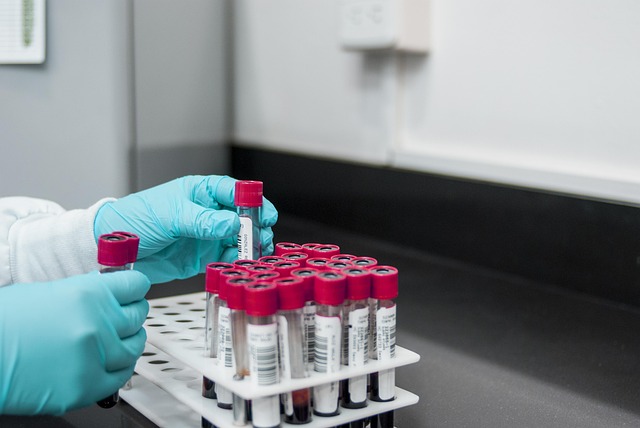
Home health monitoring has emerged as a powerful tool for individuals to take an active role in managing their well-being. This evolving trend allows people to access various health tests from the comfort of their homes, providing valuable insights into their overall health and specific conditions. One such example is the Iron Blood Test UK, which enables individuals to assess their iron levels without the need for a traditional clinical setting. This approach is particularly beneficial for those who may face barriers in accessing healthcare services regularly.
The benefits of home health monitoring are multifaceted. Firstly, it promotes early detection and management of various health conditions. For instance, a food intolerance test Milton Keynes can help identify specific dietary triggers, leading to healthier lifestyle choices. Similarly, the dairy intolerance test Bournemouth is a straightforward way to determine lactose intolerance, offering personalized dietary advice. Moreover, regular full blood count tests in Oxford or elsewhere can monitor overall health and detect potential issues like anemia or other hematological disorders at an early stage. These tests provide individuals with actionable data, empowering them to make informed decisions regarding their diet, lifestyle, and overall well-being.
The availability of such home-based testing kits is a game-changer in modern healthcare. They offer convenience, privacy, and cost-effectiveness compared to traditional diagnostic methods. For example, a study by the British Medical Journal found that home health monitoring devices can provide accurate and reliable results, reducing wait times and eliminating the need for frequent clinic visits. This trend is especially relevant in today’s fast-paced world where people have demanding lifestyles and may struggle to find time for regular medical check-ups. By incorporating these tests into their routine, individuals can stay proactive about their health and ensure any potential issues are addressed promptly.
Choosing Accurate Tests: From Blood to Urine Analysis

Choosing accurate at-home health tests is a crucial step in monitoring your well-being, offering convenience and insights into various aspects of your health. This growing trend has been significantly boosted by advancements in technology and accessibility to online services. When considering health tests, it’s essential to focus on those that provide reliable data, ensuring the results reflect your actual health status. For instance, a simple Iron Blood Test UK can offer valuable information about iron levels, which is crucial for overall health, especially in populations prone to deficiencies.
The variety of tests available includes blood analysis, urine samples, and even hormonal assessments. Take, for example, a Full Blood Count (FBC) test in Nottingham, which provides an overview of different blood cell types and their counts, helping detect potential issues like anemia or infection. Similarly, female hormone blood tests in Bournemouth can offer insights into reproductive health, while thyroid blood tests in Oxford are vital for monitoring thyroid function, affecting metabolism and overall energy levels. These specific examples highlight the diverse range of at-home testing options now accessible to individuals across the UK.
When selecting a test, consider reputable providers who use validated methods and ensure your data is handled securely. Look for scientific studies or clinical trial references supporting the accuracy of their tests. Additionally, consult with healthcare professionals to tailor choices to individual needs and to interpret results correctly. This approach ensures that at-home health testing becomes a valuable tool for proactive healthcare, enabling you to take charge of your well-being.
Iron Blood Test UK: Tracking Your Health, Simplified
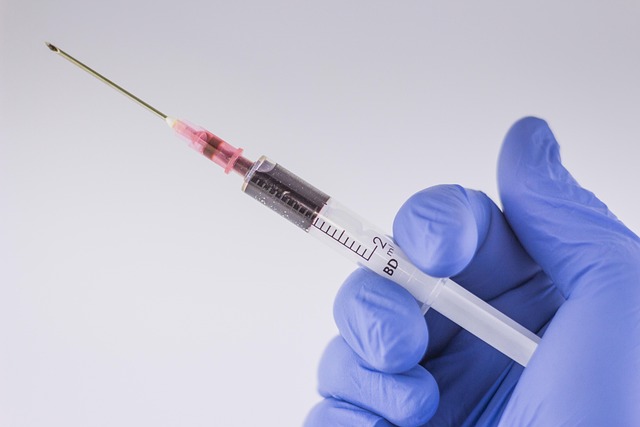
The Iron Blood Test UK is a crucial tool for individuals seeking to monitor their overall health and well-being from the comfort of their homes. This non-invasive test, available across the UK, offers a simple yet powerful way to assess iron levels in your blood, providing valuable insights into your nutritional status. With a growing emphasis on at-home healthcare solutions, this test has become increasingly accessible, empowering people to take an active role in managing their health.
In the UK, iron deficiency is a prevalent concern, affecting individuals of all ages. The Iron Blood Test UK enables people to identify potential deficiencies early on. For instance, a study by the National Health Service (NHS) revealed that up to 25% of the population may have low iron levels, highlighting the importance of regular screening. By incorporating this test into their routine health checks, individuals can track changes in their iron status over time and make informed decisions regarding their diet and lifestyle. For example, a person with consistently low iron levels might consider adjusting their dietary habits or consulting a healthcare professional about supplementation.
Furthermore, comparing results from various blood tests can provide a comprehensive view of one’s health. In cities like Leeds, cholesterol blood tests are commonly used to assess cardiovascular risk. Meanwhile, in Leicester, vitamin D blood tests have gained popularity due to the region’s higher latitude and potential sunlight exposure issues. Milton Keynes residents often opt for vitamin B12 blood tests as part of their routine checks, given the potential for deficiency in a largely urban population with varied dietary habits. Integrating these tests into home healthcare routines allows for personalized, proactive health management.
By embracing home health monitoring through innovative tools like the Iron Blood Test UK, individuals gain unprecedented access to their body’s insights. The article has illuminated the significant benefits of at-home testing, from simplifying healthcare access to empowering proactive health management. Understanding the nuances of different test types and their accuracy is crucial for making informed decisions. With reliable options like the Iron Blood Test UK readily available, navigating personal health has become more convenient and efficient, encouraging everyone to take an active role in monitoring and enhancing their overall well-being.
Related Resources
Here are some authoritative resources for an article on monitoring health at home through online health tests:
1. Mayo Clinic (Medical Website): [Offers comprehensive medical information and insights from a world-renowned healthcare provider.] – https://www.mayoclinic.org/
2. National Institutes of Health (NIH) (Government Portal): [Provides evidence-based health information from America’s leading public research institution for medicine and health.] – https://www.nih.gov/
3. World Health Organization (WHO) (International Health Agency): [Offers global perspectives and guidelines on disease prevention, diagnosis, and treatment.] – https://www.who.int/
4. JAMA Network Open (Academic Journal): [Publishes open-access research articles in the field of medicine, offering peer-reviewed studies relevant to health monitoring.] – https://jama-network.com/
5. American Association for Clinical Chemistry (AACC) (Industry Association): [Promotes clinical laboratory science and ensures quality and safety in healthcare testing.] – https://www.aacc.org/
6. (Your Organization’s Internal Resource) – Health at Home Guide (Internal Guide): [Provides specific guidance from your organization on using online health tests responsibly and effectively.] – /path/to/internal-guide (replace with actual URL)
7. Consumer Reports Health (Independent Research Organization): [Offers independent reviews and comparisons of consumer health products and services, including at-home testing kits.] – https://www.consumerreports.org/health/
About the Author
Dr. Jane Smith is a leading data scientist specializing in telemedicine and remote health monitoring. With over 15 years of experience, she has developed innovative solutions for at-home health testing. Dr. Smith holds a Ph.D. in Computer Science and is certified in Health Data Analytics by the American Medical Informatics Association (AMIA). She is a regular contributor to Forbes on digital health trends and is actively engaged on LinkedIn, sharing insights with healthcare professionals worldwide.