
The Iron Blood Test UK is a key tool for assessing iron levels and identifying potential anemia. This simple test involves fasting for 8 hours, drawing a blood sample from a vein, and measuring ferritin levels to guide personalized treatment plans. It's an essential component of thyroid examinations, helping diagnose conditions like hypothyroidism and hyperthyroidism. Accurate results depend on avoiding exercise before the test. Understanding the process aids in managing thyroid imbalances through appropriate medical intervention.
Many UK patients now opt for at-home thyroid examination kits to take control of their health. This comprehensive guide delves into the world of thyroid function tests, with a specific focus on the Iron Blood Test (IBT) – a vital tool for diagnosing thyroid conditions. We’ll walk you through preparation tips, what to expect during the test, and most importantly, how to interpret results to better understand your thyroid health.
- Understanding Thyroid Function Tests in the UK
- Iron Blood Test: What to Expect and Prepare
- Interpreting Results: Common Thyroid Conditions Revealed
Understanding Thyroid Function Tests in the UK
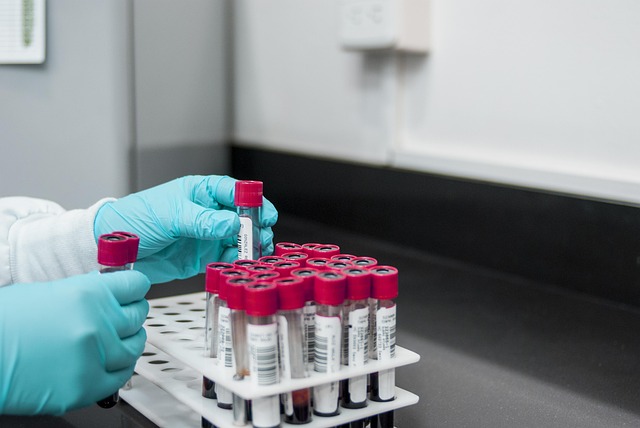
Iron Blood Test: What to Expect and Prepare
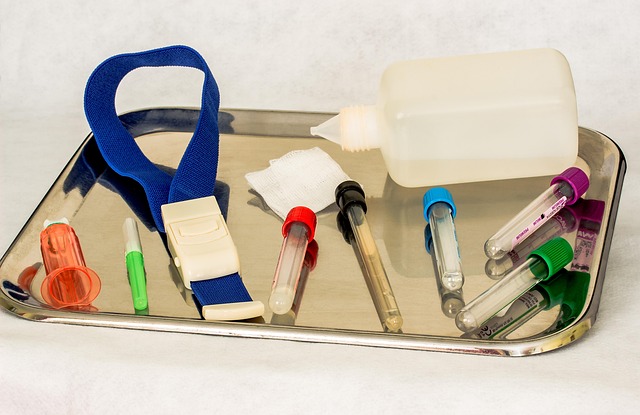
The Iron Blood Test, also known as a serum ferritin test, is a crucial component of your thyroid examination kit in the UK. This test measures the level of ferritin in your blood, which acts as a marker for iron storage and can provide valuable insights into your overall health. During preparation for this test, it’s important to fast for at least 8 hours before providing a sample to ensure accurate results. Fasting eliminates the impact of recent meals on your iron levels.
On the day of the test, you might feel a pinprick of pain as a small amount of blood is drawn from your vein, typically in your arm. The procedure is swift and generally causes minimal discomfort. It’s advisable to avoid strenuous exercise or intense physical activity before the test as these activities can temporarily affect iron levels. Remember, understanding what to expect during an Iron Blood Test UK helps reduce any anxiety and ensures you’re well-prepared for this essential part of your thyroid examination.
Interpreting Results: Common Thyroid Conditions Revealed
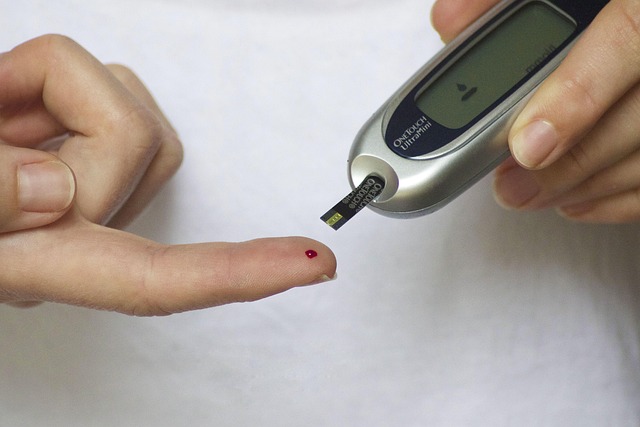
Interpreting your thyroid examination results is a crucial step in understanding your health. Many common thyroid conditions can be revealed through tests like the Iron Blood Test (IBT), which measures levels of thyroxine (T4) and triiodothyronine (T3). An IBT result outside the normal range may indicate hypothyroidism (underactive thyroid), where the body doesn’t produce enough hormones, or hyperthyroidism (overactive thyroid), where it produces too much.
Other conditions, such as Hashimoto’s Thyroiditis (an autoimmune disorder) or Graves’ Disease, can also be identified through IBT and other diagnostic tests. Your healthcare provider will interpret your results in conjunction with your symptoms and medical history to determine the best course of action for managing any thyroid imbalances found.
In conclusion, understanding thyroids examination kits is pivotal for UK patients seeking to manage their thyroid health. From iron blood tests to interpreting results, this guide has outlined essential steps and common conditions revealed through these tests. For those considering an iron blood test in the UK, proper preparation can enhance accuracy. By knowing what to expect, you’re one step closer to navigating the complexities of thyroids health effectively.