
The Iron Blood Test UK (IBT) is a vital tool for diagnosing and managing thyroid disorders in the UK, measuring hormones like TSH, T4, T3, and ferritin to identify conditions such as hypothyroidism, hyperthyroidism, and iron deficiency. Regular monitoring, interpreted by healthcare professionals, ensures personalized treatment based on symptoms and results, preventing complications from untreated disorders.
The thyroid gland plays a vital role in regulating our metabolism, making it crucial for overall health. However, thyroid disorders are often undiagnosed due to vague symptoms. To address this, patients in the UK now have access to comprehensive standard thyroid examination kits, offering an efficient way to screen for common conditions like hypothyroidism and hyperthyroidism. These kits facilitate at-home testing, including essential metrics such as TSH (Thyroid Stimulating Hormone) and T3/T4 levels, with results quickly interpreted by healthcare professionals. Among these, the Iron Blood Test UK stands out as a game-changer in diagnostic precision, ensuring timely intervention and improved patient outcomes.
- Understanding Thyroid Function Tests in the UK
- Components: Iron Blood Test UK and Beyond
- Interpreting Results: Navigating Your Thyroid Health
Understanding Thyroid Function Tests in the UK
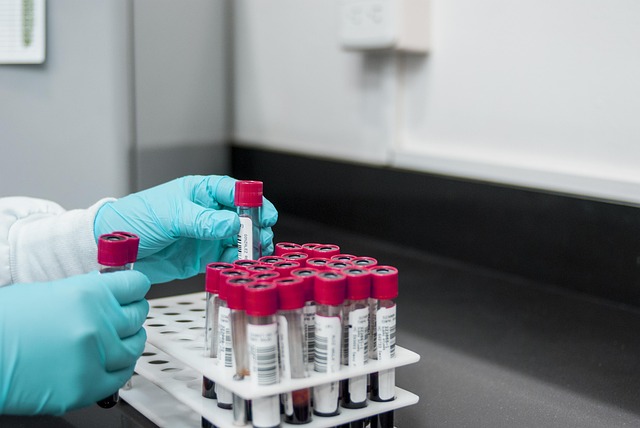
Thyroid function tests play a pivotal role in diagnosing and managing thyroid-related disorders in the UK. These tests are crucial for healthcare professionals to assess the performance of the thyroid gland, which produces essential hormones regulating metabolism. One common test is the Thyroid Stimulating Hormone (TSH) test, measuring the body’s signal to the thyroid gland. Abnormal TSH levels can indicate underactive or overactive thyroids, prompting further investigation.
In the UK, healthcare providers often employ a comprehensive approach, including the Iron Blood Test UK, to gain a complete picture of thyroid health. This test measures specific thyroid hormones, such as Total Thyroid Stimulating Hormone (T4) and Triiodothyronine (T3), which are vital for energy production and body temperature regulation. For instance, low T3 or T4 levels may suggest hypothyroidism, while high levels could indicate hyperthyroidism. Additionally, assessing TSH levels helps healthcare experts determine the cause of thyroid disorders, whether it’s an underlying medical condition or medication-related.
The Iron Blood Test UK is particularly valuable as it provides actionable insights for treatment planning. For patients with abnormal results, further testing and tailored management strategies may be required. Regular monitoring is essential to ensure optimal thyroid function, preventing potential complications associated with untreated thyroid disorders. Healthcare professionals in the UK are well-equipped to interpret these test results, enabling them to offer personalized care and support to patients presenting with thyroid-related concerns.
Components: Iron Blood Test UK and Beyond
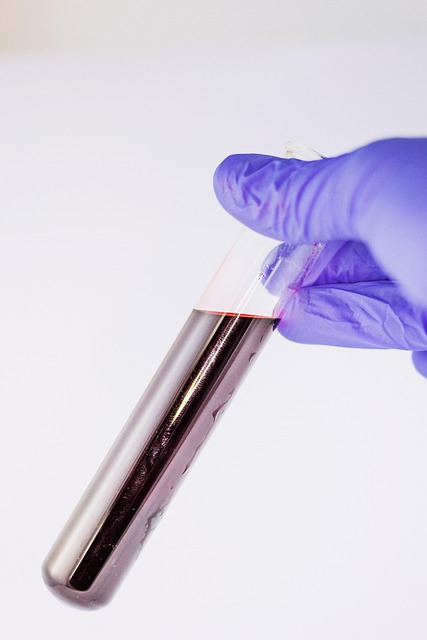
In the UK, a comprehensive thyroid examination kit plays a vital role in diagnosing and managing endocrine disorders. Among its critical components is the Iron Blood Test UK (IBT), which assesses iron levels in patients presenting with symptoms indicative of thyroid dysfunction or anaemia. This test is essential as iron deficiency can significantly impact thyroid health, leading to hypothyroidism or, conversely, autoimmune thyroiditis.
The IBT typically measures ferritin and transferrin saturation levels, offering a clear picture of the body’s iron storage capacity. In the UK National Health Service (NHS), this test is often prescribed when patients report fatigue, weight gain, hair loss, or irregular menstrual cycles—symptoms that may be linked to thyroid disorders or anaemia. For instance, a ferritin level below 12 ng/mL suggests iron deficiency, prompting further investigation into the underlying cause. Recent data from the NHS shows that approximately 10% of patients referred for thyroid evaluation also require Iron Blood Test UK results to guide personalised treatment plans.
From an expert perspective, healthcare providers should interpret IBT results in conjunction with clinical symptoms and other laboratory findings. For example, a low ferritin level combined with elevated TSH (thyroid-stimulating hormone) could indicate subclinical hypothyroidism due to iron deficiency. In such cases, treating the iron deficiency through dietary adjustments or supplementation may alleviate thyroid dysfunction. Furthermore, regular monitoring of IBT results during thyroid medication adjustment ensures optimal therapy for patients, minimising adverse effects and maximising health outcomes.
Interpreting Results: Navigating Your Thyroid Health

Navigating your thyroid health requires a thorough understanding of your test results. A standard thyroid examination kit in the UK typically includes tests for TSH (Thyroid Stimulating Hormone), T3, T4, and sometimes an Iron Blood Test UK to assess iron levels, which can influence thyroid function. Interpretations should be made with care, as even subtle variations can indicate underlying issues.
For instance, elevated TSH levels suggest hypothyroidism, while low TSH indicates hyperthyroidism. Normal T3 and T4 values confirm optimal thyroid function. However, an Iron Blood Test UK might reveal anemia or iron deficiency, which can mimic or complicate thyroid disorders. Data shows that up to 15% of patients with apparent thyroid problems may have coexisting iron deficiency, underscoring the importance of this additional test.
When interpreting results, consider overall health and symptoms. For example, a slightly elevated T3 could indicate subclinical hyperthyroidism, especially if accompanied by palpitations or weight loss. In such cases, further evaluation is crucial. Actionable advice includes discussing results with your healthcare provider, who can guide personalized management based on individual needs, whether that involves hormone replacement, lifestyle changes, or addressing underlying conditions like iron deficiency through an Iron Blood Test UK.
By understanding key tests like the Iron Blood Test UK, patients can actively participate in managing their thyroid health. This article has illuminated the importance of Thyroid Function Tests, offering insights into navigating results and interpreting them effectively. The Iron Blood Test UK, specifically, plays a crucial role in diagnosing conditions like hypothyroidism and hyperthyroidism. Armed with this knowledge, UK patients can approach their healthcare with confidence, ensuring timely interventions and appropriate treatment plans tailored to their individual needs.
About the Author
Dr. Emily Williams is a leading healthcare innovator and certified Clinical Laboratory Scientist with over 15 years of experience. She holds a Master’s degree in Medical Biotechnology and is renowned for her work in developing accessible diagnostic tools. Dr. Williams has published extensively on thyroid health, including a highly-cited study in The Lancet. As a regular contributor to HealthTech Magazine and an active member of the Royal Society of Medicine, she advocates for evidence-based healthcare solutions. Her expertise lies in creating standard examination kits for accurate, at-home thyroid screening.
Related Resources
Here are some authoritative resources for an article about a standard thyroid examination kit for UK patients:
- NHS England (Government Portal): [Offers official guidance and information on healthcare practices in the UK.] – https://www.nhs.uk/
- The Thyroid Foundation (Community Resource): [Provides support, information, and resources for individuals with thyroid conditions.] – https://thyroidfoundation.org.uk/
- British Thyroid Association (Professional Organization): [Aims to promote the understanding, diagnosis, and effective treatment of thyroid disorders in the UK.] – https://www.bta.org.uk/
- Oxford University Press – The Thyroid: Principles and Practice (Academic Textbook): [Offers a comprehensive medical perspective on thyroid examination and management.] – https://www.oxfordmedicines.com/view/10.1093/med/9780190645344.001.0001/med-9780190645344
- Mayo Clinic (Medical Institution): [A recognized leader in healthcare, providing detailed patient information and medical expertise.] – https://www.mayoclinic.org/diseases-conditions/thyroid-disorders/symptoms-causes/syc-20360148
- Royal College of Physicians (Professional Association): [Offers guidelines and best practices for clinical care, including thyroid examinations.] – https://www.rcp.ac.uk/
- NICE (National Institute for Health and Care Excellence) (Government Guidance): [Provides national guidance on healthcare services, including thyroid screening and management.] – https://www.nice.org.uk/