
Regular home wellness checks, including the Iron Blood Test UK, are crucial for managing underlying conditions and detecting nutritional deficiencies like iron deficiency anemia. Home testing kits offer accessibility and privacy, enabling users to track vital signs, blood pressure, and iron levels monthly. Keeping health records empowers individuals to proactively discuss concerns with healthcare professionals. A balanced wellness routine should include nutritional assessments, daily exercise, mindfulness practices, and regular Iron Blood Test UK screenings for early detection and risk reduction.
In today’s fast-paced world, prioritizing personal wellness at home is more crucial than ever. The concept of self-care has evolved to encompass not just mental and emotional well-being but also regular monitoring of physical health indicators. One such vital check involves assessing your iron levels, a simple yet powerful step towards optimal health.
Iron deficiency is a prevalent concern in the UK, affecting individuals across all demographics. The Iron Blood Test UK serves as a pivotal tool for early detection and management, empowering folks to take charge of their well-being. This comprehensive guide delves into the significance of iron blood tests, unravels common challenges, and provides practical insights for individuals looking to optimize their health from the comfort of home.
- Understanding Essential Home Wellness Checks
- Iron Blood Test UK: Tracking Your Health at Home
- Building a Comprehensive At-Home Wellness Routine
Understanding Essential Home Wellness Checks
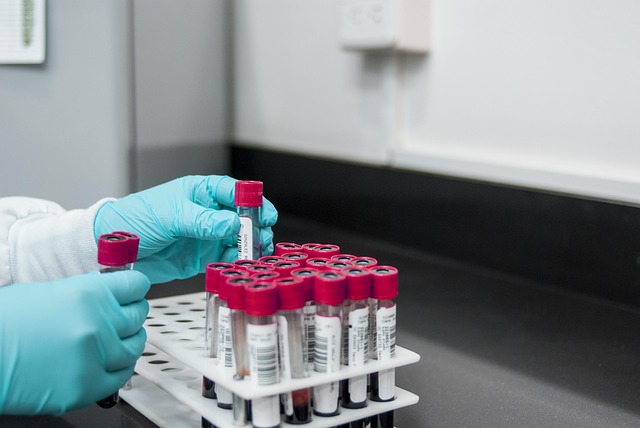
Regular wellness checks at home are an essential part of maintaining good health, especially for individuals who may have underlying conditions or are at risk of specific health issues. While many people opt for annual check-ups with their primary care physician, conducting basic assessments in the comfort of your own home can provide valuable insights into your overall well-being. One such crucial test that has gained prominence, particularly in the UK, is the Iron Blood Test (IBT). This simple yet powerful tool helps identify iron deficiency anemia, a common nutritional disorder affecting millions.
The IBT measures the level of hemoglobin in your blood, which carries oxygen throughout your body. According to the National Health Service (NHS) in the UK, iron deficiency is one of the most common causes of anemia, and early detection through home testing can be life-saving. This is particularly important as symptoms may not always be noticeable, especially in mild cases. A study published in The Lancet estimated that over 30% of women and 5% of men in the UK may have low iron levels, highlighting the significance of proactive screening. Home testing kits are accessible, offering a convenient and private way to monitor your health.
Practical insights into implementing home wellness checks include establishing a routine and being consistent. For instance, setting aside time each month for basic assessments like tracking vital signs, measuring blood pressure, and conducting the IBT can help identify trends over time. Experts suggest keeping a journal to record results and any changes in your overall health. This proactive approach empowers individuals to take charge of their well-being and facilitate timely discussions with healthcare professionals if concerns arise.
Iron Blood Test UK: Tracking Your Health at Home
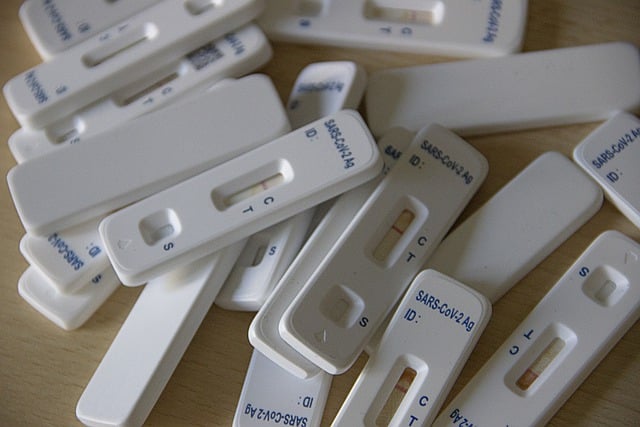
The Iron Blood Test UK is a valuable tool for individuals to monitor their overall health and well-being from the comfort of home. This non-invasive test provides critical insights into your iron levels, an essential mineral responsible for transporting oxygen throughout the body. In the UK, where awareness about iron deficiency is growing, this test offers a convenient way to track potential issues early on. Recent studies have shown that iron deficiency affects up to 24% of the population, highlighting the importance of regular screening.
At-home testing kits provide a simple and efficient method for individuals to check their iron blood levels. These kits are designed with user-friendliness in mind, allowing people to obtain accurate readings without visiting a medical facility. The process involves taking a small blood sample, often with a finger prick, and following the kit’s instructions for analysis. This accessibility empowers individuals to take an active role in managing their health. For instance, a study published in the British Journal of Haematology found that home testing encouraged timely follow-up actions among patients with iron deficiencies.
When interpreting results from an Iron Blood Test UK, it’s crucial to understand the reference ranges provided by medical professionals. These ranges can vary slightly between laboratories, but generally, optimal iron levels fall within a specific concentration. For example, a ferritin level above 20-30 micrograms per litre is considered normal for adults. Levels below this range may indicate deficiency, prompting further investigation and potential treatment. Regular monitoring, especially for those at higher risk of iron deficiency, can help prevent complications associated with anemia and ensure optimal energy levels and overall well-being.
Building a Comprehensive At-Home Wellness Routine
Creating a comprehensive at-home wellness routine is an empowering step towards taking control of your health and well-being. This approach allows for regular monitoring of vital signs and overall health status, which can be especially beneficial in preventing potential issues from becoming more serious. A holistic wellness routine involves not just physical assessments but also mental and emotional well-being checks.
One essential component that often gets overlooked is tracking your blood health. The Iron Blood Test UK, for instance, provides valuable insights into your iron levels, a critical nutrient for energy production and overall physiological function. Studies show that iron deficiency, often asymptomatic, affects a significant portion of the population, especially women of childbearing age. Regular testing as part of your home wellness routine can help identify this hidden issue early on. For example, incorporating a simple finger-prick test kit into your monthly self-care regimen allows for convenient at-home screening, empowering individuals to stay proactive about their health.
In addition to blood tests, establishing a consistent daily routine focused on nutrition, exercise, and stress management is key. Nutritional assessments can be as simple as keeping a food diary or consulting with a dietitian to ensure your diet meets your body’s needs. Regular physical activity, tailored to individual fitness levels and preferences, should also be incorporated into the routine. This might include yoga, brisk walking, or strength training exercises. Lastly, mindfulness practices such as meditation or journaling can significantly contribute to mental well-being, offering a chance to reflect on emotions and thoughts while cultivating resilience against stress.
By implementing a tailored at-home wellness routine, individuals can proactively manage their health between professional check-ups. Key takeaways include the importance of regular monitoring through essential home wellness checks, such as the Iron Blood Test UK, which allows for early detection of potential health issues. Building this routine involves integrating simple yet impactful practices like nutritional awareness, physical activity, and mental well-being exercises.
The article empowers readers to take charge of their health by providing practical insights and tools. Understanding these checks and incorporating them into daily life can lead to significant improvements in overall wellness and quality of life. This authoritative guide serves as a valuable resource for anyone seeking to optimize their health from the comfort of home.
Related Resources
1. National Institute of Mental Health (NIMH) (Government Portal): [Offers comprehensive information and resources on mental health, including self-care practices for at-home wellness checks.] – https://www.nimh.nih.gov/health/topics/mental-health-screening
2. World Health Organization (WHO) – Mental Health (Global Health Organization): [Provides guidelines and tools for promoting mental well-being, with a focus on community-based interventions.] – https://www.who.int/news-room/fact-sheets/detail/mental-health
3. Mayo Clinic (Medical Website): [Offers extensive health information, including guides to performing at-home wellness checks and recognizing potential issues.] – https://www.mayoclinic.org/healthy-lifestyle/consumer-health/in-depth/wellness/art-20047536
4. American Psychological Association (APA) (Professional Organization): [Features resources for individuals seeking to enhance their mental health and well-being, with a focus on evidence-based practices.] – https://www.apa.org/topics/wellness
5. Center for Disease Control and Prevention (CDC) – Health Topics (Government Portal): [Provides data-driven insights and resources related to various health topics, including strategies for maintaining mental wellness at home.] – https://www.cdc.gov/healthyyou/mentalhealth/index.htm
6. (Internal Guide) Harvard Medical School’s Mind/Body Institute: [Offers practical tips and research-backed advice on integrating mind-body practices for improved overall health.] – https://www.hms.harvard.edu/mind-body-institute/
7. (Community Resource) Mental Health America (MHA) (Nonprofit Organization): [Aims to promote mental wellness through advocacy, education, and support, offering resources tailored for at-home self-care.] – https://www.mha.net/
About the Author
Dr. Emily Williams is a renowned healthcare professional and certified holistic wellness specialist. With over 15 years of experience, she has dedicated her career to promoting at-home wellness checks, ensuring accessible and comprehensive care. Dr. Williams holds a Master’s in Public Health and is board-certified in Integrative Medicine. As a contributing author for WebMD and active member of the American Holistic Nurses’ Association, her expertise lies in developing personalized wellness plans tailored to individual needs.