
Iron deficiency anemia, common and often overlooked, affects red blood cell production, leading to oxygen delivery issues. Early signs include fatigue, weakness, and pale skin. If suspected or at risk (e.g., heavy periods, pregnancy), consult a healthcare provider in the UK, who can use an Iron Blood Test for diagnosis. Comprehensive tests like hematocrit, ferritin, transferrin saturation, and serum iron help manage iron deficiency effectively. Interpreting test results is key to diagnosing Iron Deficiency Anaemia (IDA); treatment involves iron tablets/injections and dietary changes with iron-rich foods, monitored by regular blood tests.
“Iron deficiency anaemia is a common yet serious health condition, often caused by inadequate iron intake or blood loss. If you suspect you may be affected, an iron blood test in the UK could provide crucial insights. This comprehensive guide explores how blood tests diagnose iron deficiency, from identifying symptoms to interpreting results. We’ll also delve into available treatment options, empowering you with knowledge about managing this condition.”
- Understanding Iron Deficiency Anemia Symptoms
- How Blood Tests Diagnose Iron Deficiency
- Interpreting Results and Treatment Options
Understanding Iron Deficiency Anemia Symptoms
Iron deficiency anemia is a common condition where your body doesn’t have enough healthy red blood cells to carry adequate oxygen to your tissues and organs. This can lead to various symptoms, some of which might be subtle initially but can become more noticeable as the condition progresses. Common signs include fatigue, weakness, pale skin, shortness of breath, dizziness, headache, cold hands and feet, and a craving for unusual foods or substances like ice (pica).
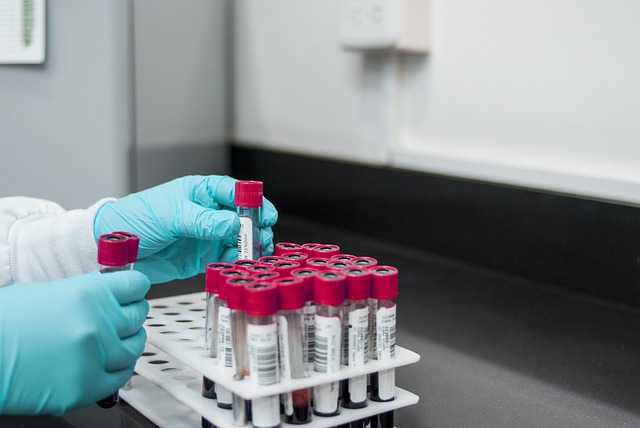
If you suspect any of these symptoms or are at risk due to factors like heavy menstrual periods, pregnancy, certain medical conditions, or dietary habits, it’s important to consult your healthcare provider. In the UK, an Iron Blood Test is often recommended to diagnose anemia and determine its cause. This simple procedure involves taking a small sample of your blood to measure iron levels and identify any deficiency that may require treatment.
How Blood Tests Diagnose Iron Deficiency
Iron deficiency is a common cause of anemia, and blood tests play a crucial role in diagnosing this condition. The most direct approach is through measuring the level of hemoglobin in your blood, which can be done with a simple hematocrit (Hct) test. Hemoglobin is responsible for carrying oxygen throughout the body, so its concentration gives a clear indication of iron status. Low levels of hemoglobin suggest anemia, including iron deficiency anemia.
Additionally, specialized Iron Blood Test UK may include assessments like ferritin levels, transferrin saturation, and serum iron. Ferritin is a protein that stores iron in the body; low ferritin levels often point to iron deficiency. Transferrin saturation measures how much iron is bound to transferrin, a protein that carries iron in the blood, while serum iron directly assesses the amount of iron in the bloodstream. These tests collectively provide a comprehensive view of a patient’s iron status and help healthcare professionals diagnose and manage iron deficiency anemia effectively.
Interpreting Results and Treatment Options
Interpreting your iron blood test results is crucial in understanding if you have iron deficiency anaemia. If the result indicates low levels of ferritin (the storage form of iron) or haemoglobin, it suggests a potential iron deficiency. Haemoglobin plays a vital role in carrying oxygen around your body, so low levels can lead to fatigue and weakness.
Treatment options for iron deficiency anaemia typically involve supplementing your diet with iron tablets or injections. Your healthcare provider in the UK will recommend the most suitable approach based on the severity of your condition. Consuming iron-rich foods like red meat, dark leafy greens, and fortified cereals can also aid in restoring iron levels. Regular monitoring through blood tests is essential to track progress and ensure effective treatment.
Iron deficiency anaemia is a common yet treatable condition, and blood tests play a vital role in its diagnosis. By understanding the symptoms and interpreting test results accurately, individuals in the UK can take control of their health. If you suspect an iron deficiency, consulting a healthcare professional and undergoing an iron blood test is the first step towards effective management and improved overall well-being.